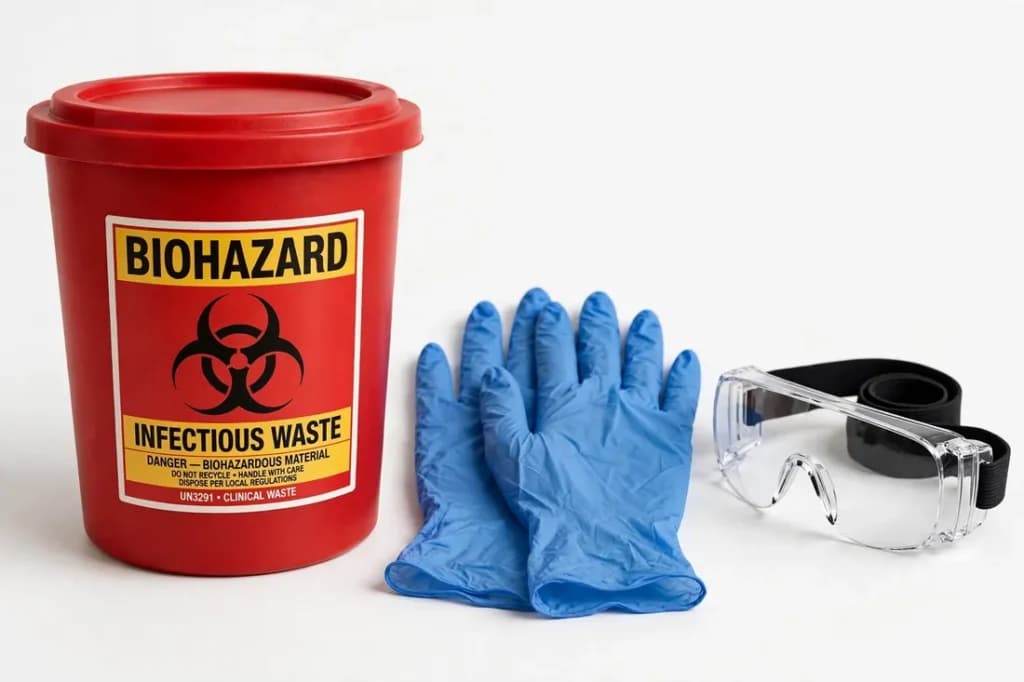
Bloodborne pathogens are microorganisms carried in human blood and bodily fluids that can cause disease. The main ones are hepatitis B (HBV), hepatitis C (HCV), and HIV.
OSHA’s Bloodborne Pathogens Standard (29 CFR 1910.1030) requires employers to protect workers. That means training, protective equipment, hepatitis B vaccination, and a written exposure control plan.
For Miami homeowners, the takeaway is simple. Treat any blood spill beyond a minor cut as potentially infectious. Clean it only with proper protection and disinfectants, or call professionals.
Bloodborne Pathogens Defined
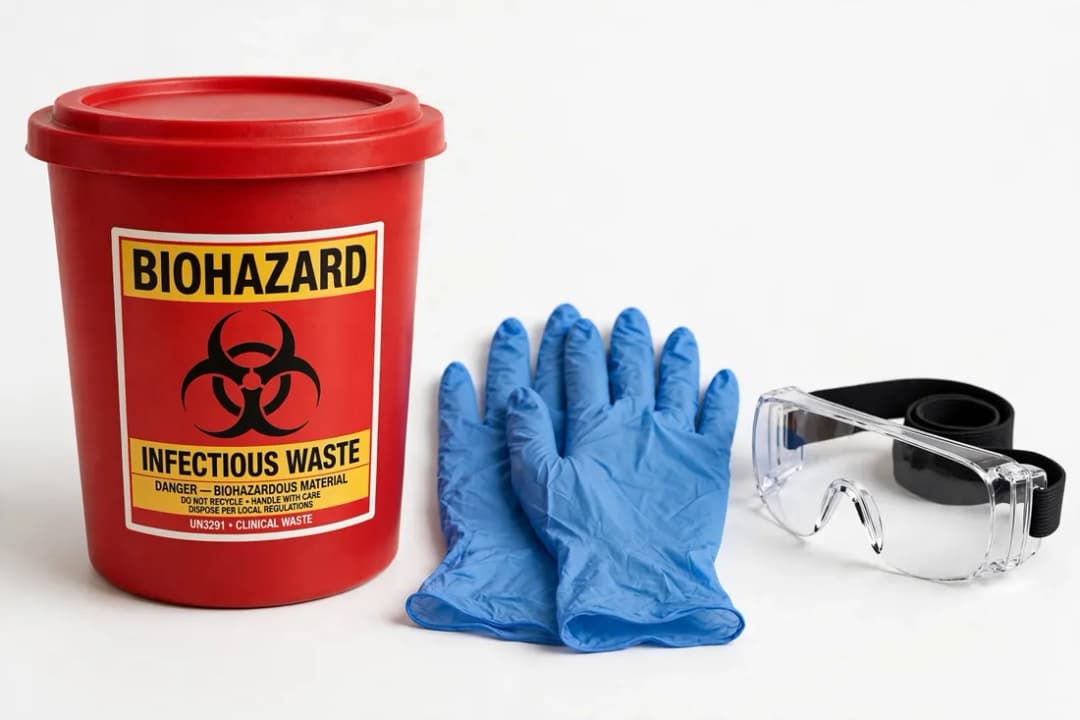
A bloodborne pathogen is any infectious microorganism present in blood that can cause disease in humans. The term also covers other potentially infectious materials: semen, vaginal secretions, and any bodily fluid visibly contaminated with blood, as defined by OSHA.
Three viruses drive almost all the concern in cleanup work.
Hepatitis B (HBV)
HBV is the toughest of the three outside the body. It can survive in dried blood for up to 7 days, according to the CDC.
The good news: a safe, effective vaccine exists. OSHA requires employers to offer it free to at-risk workers.
Hepatitis C (HCV)
HCV spreads through blood-to-blood contact. Shared needles, pre-screening transfusions, and infected blood entering cuts are the classic routes.
There is no vaccine for HCV. Modern treatments can cure most infections, but in cleanup work, prevention is the entire strategy.
HIV
HIV is fragile outside the body. It dies quickly once blood dries. Transmission needs direct blood-to-bloodstream or mucous membrane contact.
But here’s the professional rule that matters. OSHA requires us to treat ALL human blood as infectious, regardless of the source. We never guess about someone’s status.
Universal precautions apply every single time: gloves, eye protection, proper handling.
OSHA Bloodborne Pathogens Standard Requirements
This is the federal rulebook for anyone whose work may expose them to blood. Here’s what it demands from cleanup companies.
A Written Exposure Control Plan
Every employer must maintain a plan. It identifies who is at risk, which tasks create exposure, and exactly how exposure is controlled. It’s reviewed and updated annually.
When I vet subcontractors, this is the first document I ask for. A company without one isn’t cutting corners. It’s breaking federal law.
Engineering Controls and PPE
Engineering controls remove the hazard where possible. Sharps containers, self-sheathing needles, and proper waste segregation are examples.
Where the hazard can’t be engineered away, PPE fills the gap: gloves, gowns, face shields, eye protection. PPE must be provided free, fit properly, and actually get used.
A box of gloves sitting unopened in the truck counts for nothing.
Hepatitis B Vaccination
Employers must offer the HBV vaccine series at no cost to exposed employees. The offer comes within 10 days of assignment.
Workers can decline in writing. But the offer itself is mandatory.
Training and Recordkeeping
Workers get bloodborne pathogens training at hire, then annually. It covers the standard itself, exposure risks, PPE use, and what to do after an exposure incident.
Medical and training records are kept for years.
How Bloodborne Pathogens Spread in Homes
In twelve years of fieldwork, the exposures I see in homes are never dramatic. They’re ordinary. That’s what makes them dangerous.
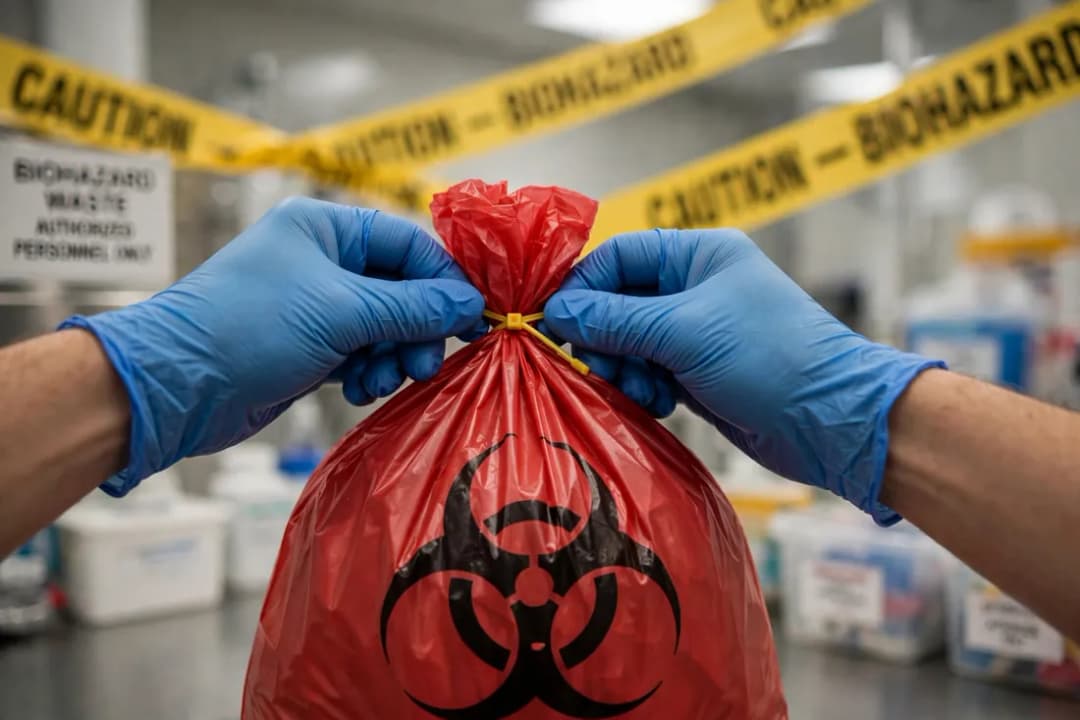
The most common: a family member tries to help by wiping up blood with bare hands and paper towels. A small cut on their hand becomes an entry point.
Or a child walks through a spill in socks, then touches their face.
Splashes to the eyes, nose, or mouth are the second route. Scrubbing without eye protection flicks droplets upward.
Sharps are third: broken glass, razor blades, or needles hidden in clutter or bedding.
The pattern is always the same. Nobody thought the blood was dangerous because it “didn’t look like much.” Pathogens don’t care how it looks.
What to Do After Blood Exposure
Act fast and don’t panic. The steps are simple.
Skin Exposure
Wash the area immediately with soap and running water for several minutes. Don’t scrub aggressively. You don’t want to create micro-abrasions.
Eyes, Nose, or Mouth
Flush with clean water or saline for at least 15 minutes. Remove contact lenses first if you wear them.
Then Get Medical Advice
Call your doctor or an urgent care clinic the same day. Post-exposure protocols exist for HBV and HIV, and they’re time-sensitive.
HIV post-exposure prophylaxis (PEP) works best when started within hours. Document what happened: whose blood, how the exposure occurred, and when. A clinic will ask, and details matter.
When a Blood Spill Needs a Professional
Use this rule of thumb from the field.
Handle it yourself when the spill is small, fresh, and on a hard non-porous surface like tile or sealed concrete. You’ll need disposable gloves, eye protection, and an EPA-registered disinfectant. Clean first, disinfect with proper dwell time, bag everything in sealed bags.
Call a professional when any of these are true:
- The spill is large or the volume is unknown
- Blood has reached carpet, upholstery, drywall, or wood
- The blood may have been there for hours or days
- Sharps, needles, or broken glass are mixed in
- You’re unsure about any of the above
Uncertainty is itself a reason to call. Our blood cleanup team in Miami assesses scenes daily. A phone call costs nothing. Guessing wrong about contamination costs far more.
Larger scenes involving serious injury are handled by our trauma cleanup team.
Summary
Bloodborne pathogens (HBV, HCV, and HIV) are why blood cleanup is regulated work. OSHA’s Bloodborne Pathogens Standard requires training, protective equipment, vaccination, and written exposure plans for good reason.
These viruses are invisible. HBV can survive in dried blood for a week.
Treat every blood spill as potentially infectious. Protect yourself, disinfect properly, and call professionals when the spill goes beyond a small, fresh, hard-surface cleanup.
Dealing with blood contamination in Miami? Contact Hazard Guard or call (888) 976-0045. Our crews are trained, vaccinated, and available 24/7.