Biohazard cleanup cost is the total price a professional company charges to remediate biological contamination. It covers labor, PPE, EPA-registered disinfectants, specialized equipment, regulated medical-waste disposal, and documentation. In Miami, prices typically run from a few hundred dollars for a contained single room to well over ten thousand for whole-property jobs, driven by scope and severity.
Nobody likes vague answers about money, so here is the honest version: the service name matters less than the square footage, the contamination type, and how far it spread. A small blood spill and a full trauma scene are priced on the same factors, just at very different scales.
The 6 Factors That Decide What You Pay
Every legitimate quote is built from these six inputs. If a company cannot explain which ones apply to your job, that is a red flag.
1. Contamination type. Blood, sewage, decomposition, meth residue, and tear gas each need different chemicals, PPE levels, and disposal methods. Chemical contamination usually costs more than biological because testing and clearance are involved.
2. Affected area size. A single bathroom costs less than three rooms. This sounds obvious, but many people underestimate how far contamination travels through carpet padding, subfloor, and HVAC.
3. Porous versus non-porous surfaces. Tile and concrete can be treated and saved. Carpet, padding, drywall, and mattresses usually get cut out and replaced. Removal and replacement add material and labor costs fast.
4. Time sensitivity and access. Emergency response at 2 AM costs more than a scheduled daytime job. So does a fifth-floor walk-up with no elevator versus a ground-floor unit with driveway access.
5. Waste disposal volume. Regulated medical waste goes out through licensed transporters with manifest paperwork. The more red bags leave your property, the higher the disposal line item.
6. Testing and clearance. Meth labs, fentanyl, and tear gas jobs need pre and post testing to prove the space is safe. Lab fees and clearance reports are a real cost, and any company that skips them is cutting corners you cannot afford.
Honest Price Ranges by Service Type
These are the ranges I see quoted by reputable companies across South Florida. Treat them as planning numbers, not promises, because every scene is different.
- Blood spill, contained single room: 500 to 2,500 dollars. The low end is a small spill on hard flooring. The high end involves carpet and padding removal.
- Trauma or crime scene cleanup: 1,500 to 5,000 dollars. Most residential scenes land in the middle of this range.
- Unattended death cleanup: 3,000 to 10,000 dollars or more. Decomposition drives cost hard. The longer the time since death, the wider the contamination and the higher the price.
- Hoarding cleanup with biohazards: 2,000 to 15,000 dollars or more. Sorting labor dominates here. A one-bedroom unit and a full house are different universes.
- Meth lab remediation: 5,000 to 25,000 dollars. Testing, chemical remediation, and clearance documentation make this the most expensive category.
- Tear gas (CS/OC) decontamination: 1,000 to 4,000 dollars. HVAC decontamination is the wildcard. If residue got into the ductwork, costs climb.
After eighteen years reviewing invoices as an adjuster, I can tell you the cheapest bid is rarely the cheapest job. The lowest quote I ever saw approved left a carrier paying twice, because the first company skipped proper disinfection and the odor and contamination came back. The second company did it right. Pay for the job once.
What a Written Estimate Must Include
A professional estimate is a scope document, not a single number on a napkin. Insist on these line items:
- Labor hours and crew size
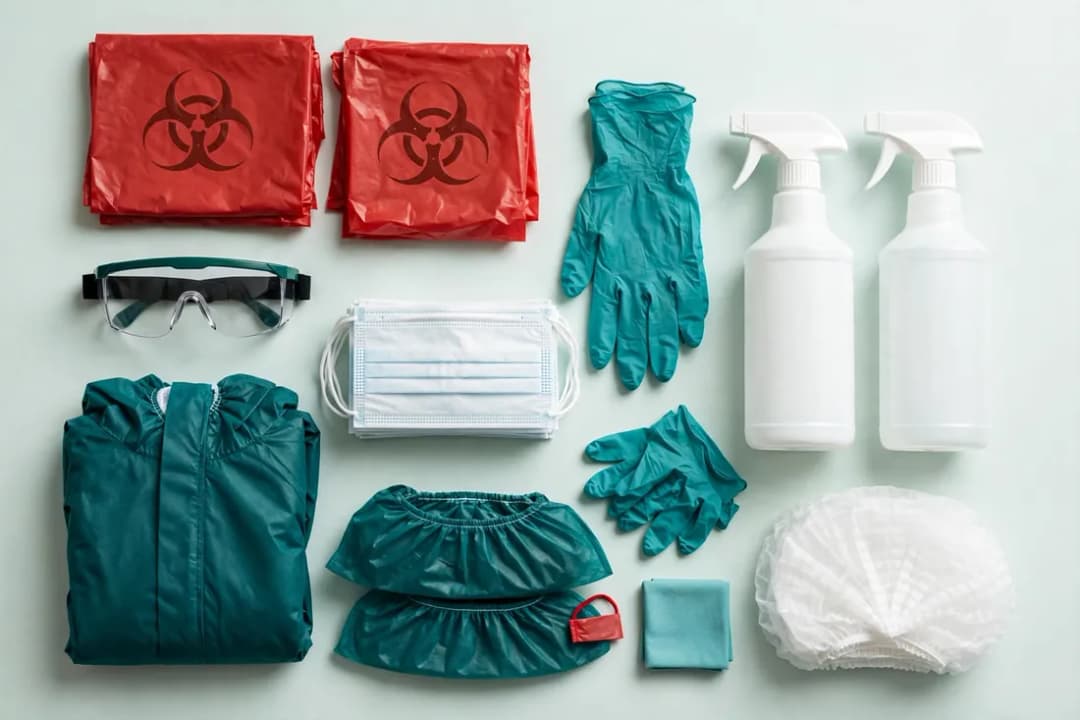
- PPE and consumables
- Disinfectants and chemicals used, by product
- Equipment (air scrubbers, hydroxyl or ozone units)
- Waste disposal and manifest fees
- Demolition and material removal, if needed
- Testing and clearance, where applicable
Get it in writing before work starts. A company that will not itemize is a company you should not hire. This is also exactly what your insurance adjuster needs to see, and it is why our crews document every biohazard cleanup job in Miami the way carriers expect.
Costs People Forget to Budget For
The cleanup invoice is only part of the total. Homeowners get surprised by the rest.
Material replacement. Carpet, padding, drywall, and sometimes subfloor get removed. Replacing them is a separate cost, and it often exceeds the remediation itself.
Temporary housing. If the home is unlivable during remediation, hotel and meal costs add up. Check whether your homeowners insurance covers biohazard cleanup, because additional living expenses are often part of a paid claim.
Contents cleaning. Clothing, furniture, and personal items that can be saved need specialized cleaning. Items that cannot be saved need documented disposal for the claim.
Time off work. Someone has to be available for the assessment, the adjuster visit, and the clearance walkthrough. Most people underestimate this.
Getting a Fair Price in Miami
Three rules from the adjuster’s side of the table.
First, get two or three itemized estimates. Not to pick the cheapest, but to compare scopes. If one company lists testing and disposal and another does not, you are not comparing the same job.
Second, never hire anyone who quotes a firm price over the phone without seeing the scene. Contamination cannot be scoped by description. I said this about cleanup generally before, and it applies double to pricing.
Third, ask about insurance billing directly. Established companies work with carriers every week. They know what documentation an adjuster needs and they will provide it without being asked twice.
Summary
Biohazard cleanup in Miami typically costs from a few hundred dollars for a contained spill to well over ten thousand for severe or whole-property contamination. Price follows scope, contamination type, materials affected, disposal volume, and testing needs. Get itemized written estimates, budget for replacement and living costs beyond the invoice, and never hire a company that quotes blind over the phone.
Need a real number for your situation? Contact Hazard Guard or call (888) 976-0045. We scope every job in person and put it in writing before any work begins.