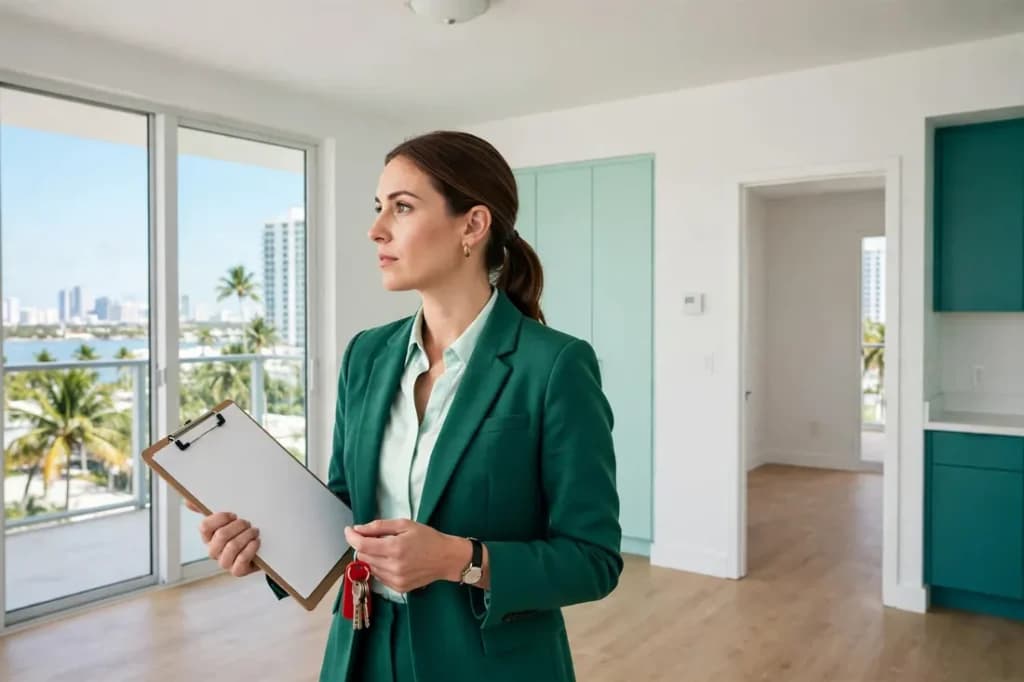
Biohazard cleanup in rental properties is the professional remediation of biological hazards in a leased unit, handled under the landlord’s duty to provide a habitable home. It covers situations like tenant deaths, sewage backups, drug contamination, or hoarding that a standard turnover clean cannot fix. In Florida, the law requires landlords to keep rental property safe and habitable, which makes professional remediation a legal obligation in serious cases, not an optional upgrade.
If you own or manage rentals in Miami, you will face this eventually. A tenant passes away alone in a unit. A hoarding situation surfaces at move-out. A meth lab gets discovered by police. The question is never whether it happens, but whether you handle it right when it does.
A Landlord’s Legal Duty in Florida
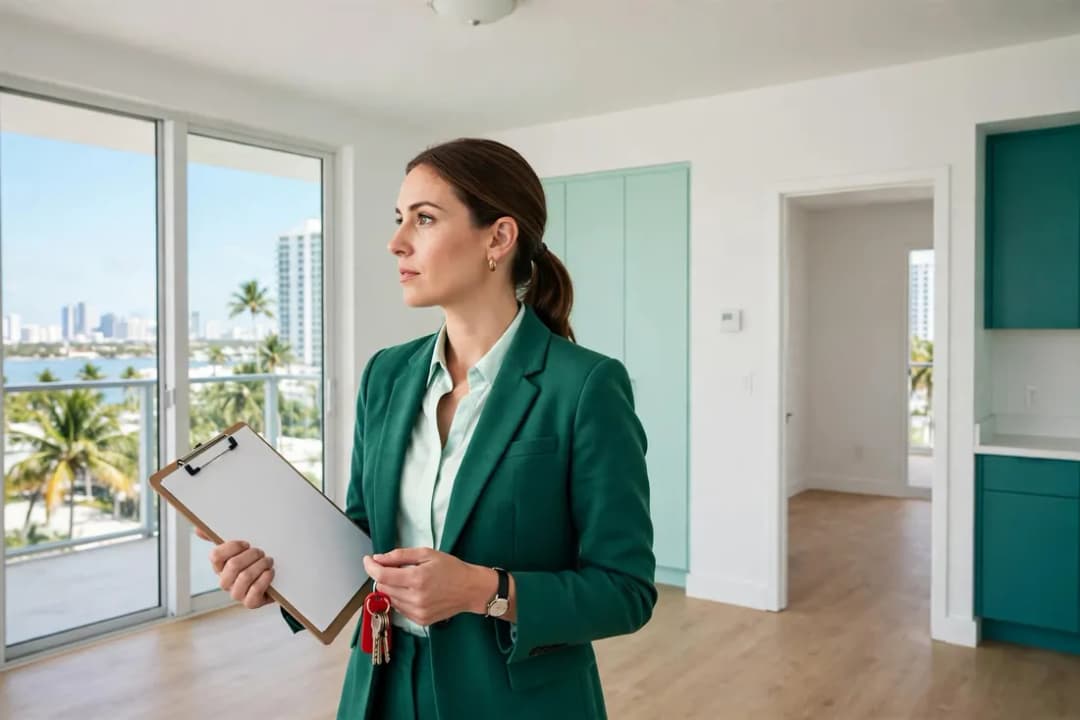
Florida’s Residential Landlord and Tenant Act sets the baseline. Under Chapter 83 of the Florida Statutes, landlords must comply with building and housing codes and keep the property in a condition that does not threaten the health and safety of occupants.
A unit contaminated with blood, decomposition, sewage, or drug residue fails that test. You cannot legally re-rent it until it is remediated. A standard turnover clean does not count. Only documented professional remediation restores the unit to a rentable, habitable condition.
There is also liability exposure. If you re-rent a unit you know or should know is contaminated, and the next tenant gets sick, you are in a very bad position. The remediation invoice is cheap compared to that lawsuit.
One more legal note: do not enter and start cleaning a deceased tenant’s unit on your own. Secure the unit, contact law enforcement and the coroner if not already involved, and notify the emergency contact or next of kin. Personal property in the unit belongs to the estate, and mishandling it creates legal problems on top of the cleanup problem.
Situations Landlords Face Most Often
These are the scenarios I have seen property owners and managers deal with across South Florida, in rough order of frequency:
- Tenant death, discovered late. The most common serious case. Decomposition contamination spreads fast in Miami heat, especially in summer. Time is the enemy.
- Hoarding discovered at move-out. Often combined with animal waste, mold, and pest infestation. These jobs need sorting labor plus biohazard remediation.
- Sewage backup. Affects the unit and sometimes neighbors below. This is also the scenario most likely to involve your insurance carrier.
- Drug contamination. Meth labs and fentanyl residue turn a unit into a hazardous site. These need testing and clearance, not just cleaning.
- Blood or trauma events. Assaults, accidents, or suicides in a unit. Law enforcement releases the scene, then remediation is on the property owner.
Every one of these follows the same sequence: secure the unit, document everything, call professionals, and do not let anyone enter until clearance is complete.
Who Pays: Landlord, Tenant, or Insurance
This is the question every landlord asks first. The honest answer is that it depends on the cause and the lease.
The landlord pays when habitability is at stake. Structural issues, plumbing failures, and anything that makes the unit unsafe fall on the owner. You cannot pass the cost of making your own property habitable to the tenant.
The tenant (or their estate) may be liable when they caused it. Hoarding damage, drug contamination from tenant activity, or intentional damage can be charged against the security deposit and pursued beyond it. In practice, collecting from a deceased tenant’s estate is slow and uncertain.
Insurance may cover it. Your landlord or dwelling policy works like a homeowners policy. Sudden, accidental events are covered. Neglect is not. If a pipe bursts and floods the unit with sewage, file a claim the same day. Read about how homeowners insurance treats biohazard cleanup for the full picture, because the same principles apply to your landlord policy.
Security deposits have limits. Florida caps what you can deduct and requires strict timelines for returning deposits and itemizing deductions. A five-figure remediation bill will exceed most deposits. Do not count on the deposit to make you whole.
My practical advice after eighteen years on the insurance side: file the claim first, pursue the tenant or estate second, and treat the deposit as a partial offset, not the funding plan.
The Turnover Timeline: Getting a Unit Rent-Ready Again
Vacancy costs money every day, so landlords want speed. Here is a realistic timeline:
Day 1: secure and document. Lock the unit. Photograph everything. Notify the carrier if insurance may apply. Call a professional biohazard cleanup company in Miami for assessment.
Days 2 to 5: remediation. Most single-unit jobs complete in this window. Severe decomposition or hoarding can take longer.
Days 5 to 10: restoration. Drywall, flooring, and paint after remediation. This is regular contractor work, and you can schedule it to start the day remediation clears.
Before re-listing: clearance and records. Keep the remediation invoice, the waste disposal manifest, and any clearance documentation in the property file. If a future tenant ever asks, you have proof the unit was professionally restored.
The mistake I see most: landlords who try to compress this by skipping professional remediation and sending their regular turnover crew in with bleach. It does not work. The contamination is still there, the liability is still there, and the next tenant’s nose will find what the crew missed. Miami humidity guarantees it.
Documentation That Protects You
As an adjuster, I approved claims with good documentation and denied claims without it. As a landlord, your file should contain:
- Dated photos of the unit before remediation
- The professional assessment and itemized invoice
- The waste disposal manifest
- Any police or coroner reports
- Correspondence with the insurance carrier
- The clearance or completion report
Keep these for years, not months. Liability questions surface late. A complete file turns a frightening letter from an attorney into a short conversation.
Choosing a Cleanup Company as a Property Manager
You will hire these companies under pressure, possibly at night, possibly while a unit sits vacant and costing you money. Vet before you need them.
Look for proper insurance, documented OSHA-compliant process, 24/7 response, and experience with landlord and insurance billing. Ask whether they provide the disposal manifest and completion report without being asked. The right company treats your documentation needs as part of the job, not a favor.
Our crews handle unattended death cleanup and hoarding remediation for Miami property managers regularly, and we document every job the way carriers and attorneys expect.
Summary
Florida landlords have a legal duty to keep rental units habitable, which makes professional biohazard cleanup mandatory, not optional, after tenant deaths, hoarding, sewage, or drug contamination. Secure the unit, document everything, and call professionals before anyone re-enters. The landlord usually pays for habitability issues, insurance may cover sudden events, and the security deposit rarely covers the full bill. Keep complete records for every job.
Managing rentals in Miami and facing a contaminated unit? Contact Hazard Guard or call (888) 976-0045. We respond 24/7, document everything your carrier needs, and get your unit back to rentable fast.