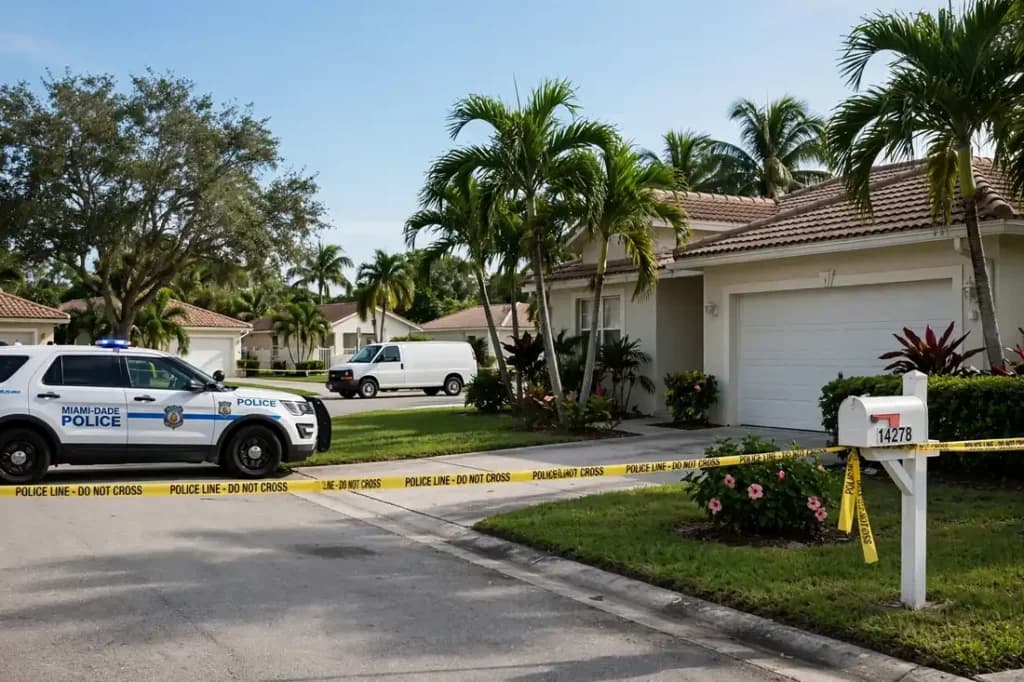
The property owner is responsible for cleaning up a crime scene after law enforcement releases it. Police investigate and collect evidence, but they never clean. The owner hires a professional biohazard cleanup company, pays for the remediation, and often recovers costs through insurance.
This surprises people. There is no government agency that scrubs a crime scene after investigators leave. Once the tape comes down, the property, and everything in it, is the owner’s responsibility.
In Miami-Dade, that means the homeowner, landlord, or property manager must arrange professional crime scene cleanup promptly. Delays let contamination spread and let odor set into materials.
Why Law Enforcement Does Not Clean
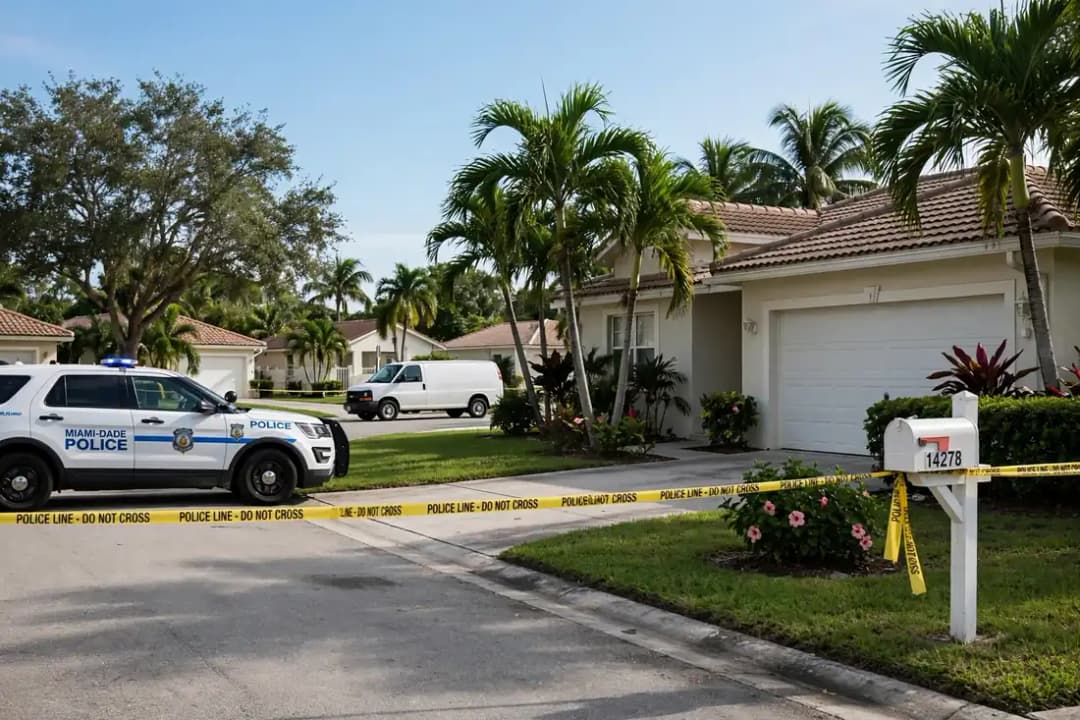
Police process a scene for evidence. Forensics teams document, photograph, and collect. None of that involves removing biohazards.
Once investigators formally release the property, their job is done. The release paperwork hands control back to whoever owns or manages the property. The mess stays with the owner.
I have met owners who assumed the county would send a crew. Nobody comes. The longer you wait for a crew that does not exist, the worse the damage gets.
The Property Owner’s Responsibility
The owner must make the property safe again. That duty exists whether it is a house, a rental unit, a vehicle, or a business.
It covers three things:
- Hiring a qualified biohazard remediation company
- Ensuring waste is disposed of through legal, documented channels
- Restoring the property so it can be occupied or re-rented
Owners who ignore contamination face real consequences. Insurance claims get denied when damage spreads through neglect. Landlords face habitability complaints. And biohazardous waste handled illegally brings fines.
What About Renters?
Tenants are not responsible for cleaning a crime scene in their unit. The landlord owns the property and carries the duty to remediate.
That said, tenants should report the situation immediately and stay out of the affected area. If you are a landlord facing this, our guide to unattended death cleanup covers the closely related scenario of a death discovered in a rental.
Who Pays for Crime Scene Cleanup
The owner pays up front. Then the owner recovers costs through insurance in many cases.
Homeowners insurance often covers biohazard remediation under dwelling coverage, depending on the policy and the event. Document everything: photos of the scene, the cleanup scope, the disposal manifest, and every invoice. Adjusters ask for all of it.
Victim assistance programs may also help. Florida’s victim compensation programs can cover cleanup costs for victims of violent crime in qualifying cases. It is worth checking eligibility early.
Does Renter’s Insurance Help?
Renter’s policies sometimes cover a tenant’s personal property and temporary housing, but the structural cleanup is the landlord’s responsibility, not the tenant’s insurer’s.
When the Owner Cannot or Will Not Act
Sometimes the owner is unreachable, a family is in shock, or a landlord drags their feet. The responsibility still sits with the owner legally, but waiting is the worst option.
A next of kin, family member, or property manager can engage a cleanup company on the owner’s behalf. On jobs I have handled in Kendall and Hialeah, a relative made the first call while the owner was still processing what happened. That is normal and it is the right move.
Municipalities can intervene if a property becomes a public health hazard. But that path is slow and ugly. Direct action is always better.
What a Professional Company Handles for You
Hiring a company like ours does not just move the physical burden. It moves the legal and documentation burden too.
We handle the full crime scene cleanup process end to end: assessment, containment, removal, disinfection, odor treatment, and licensed waste disposal with a manifest trail. You get the documentation your insurer and your records need.
The owner still hires us. But after that signature, the complexity is ours.
How Bloodborne Pathogen Rules Apply
Whoever performs the cleanup must follow OSHA rules. The Bloodborne Pathogens Standard (29 CFR 1910.1030) requires exposure control plans, PPE, and training for cleanup workers. It is one reason DIY cleanup is so risky: an owner who scrubs a scene themselves absorbs the pathogen risk documented by the CDC without any of the protections.
Our companion guide, Bloodborne Pathogens Explained, covers exactly what is at stake biologically.
What to Do Right Now in Miami
If you own a property in Miami-Dade where a crime scene was just released:
- Do not enter the scene yourself.
- Secure the property so nobody walks through the contamination.
- Call a professional cleanup company. We respond 24/7, usually within the hour.
- Start a photo log for your insurance documentation.
Summary
The property owner is legally and practically responsible for crime scene cleanup after police release the scene. Law enforcement investigates but never cleans. Owners hire the remediation company, pay for it, and usually recover costs through insurance or victim assistance programs.
Waiting changes nothing for the better. Contamination spreads, odor sets, and claims get harder.
Own a property with a released scene in Miami? Contact Hazard Guard or call (888) 976-0045. Our crews are available around the clock, and the call is free.