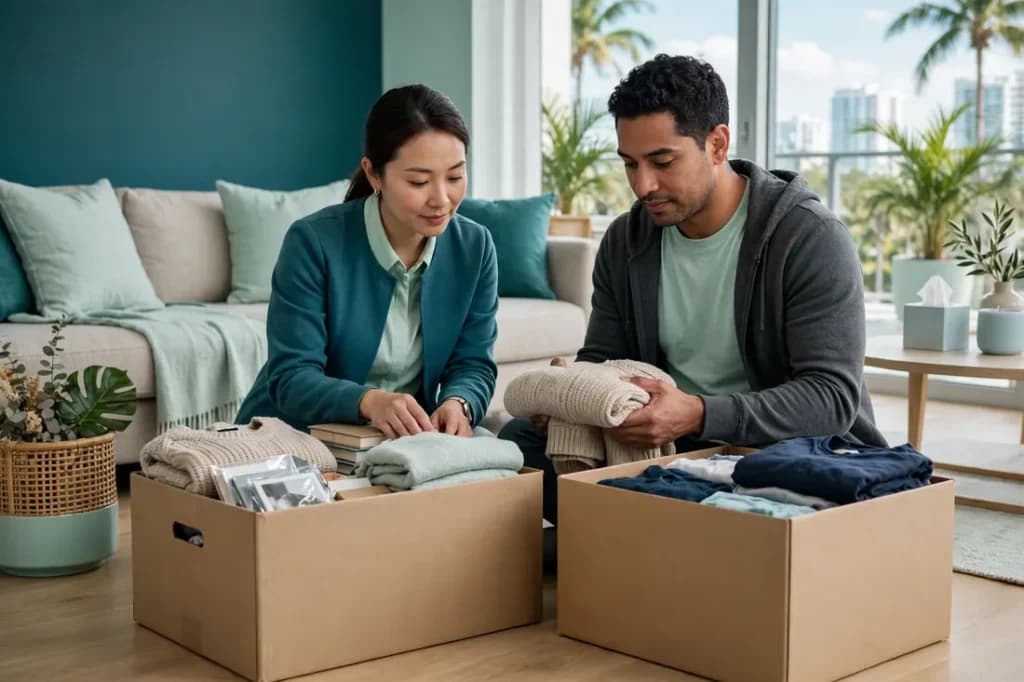
Sorting a deceased person’s belongings means deciding, room by room, what to keep, donate, sell, or discard, while protecting keepsakes and handling anything contaminated safely. Start with essentials and paperwork, then move slowly through sentimental items, and bring in professional help for rooms affected by death, illness, or hoarding.
There is no deadline that fits every family. Grief does not follow a schedule, and neither does a house full of memories.
The First Week After a Death: Essentials First
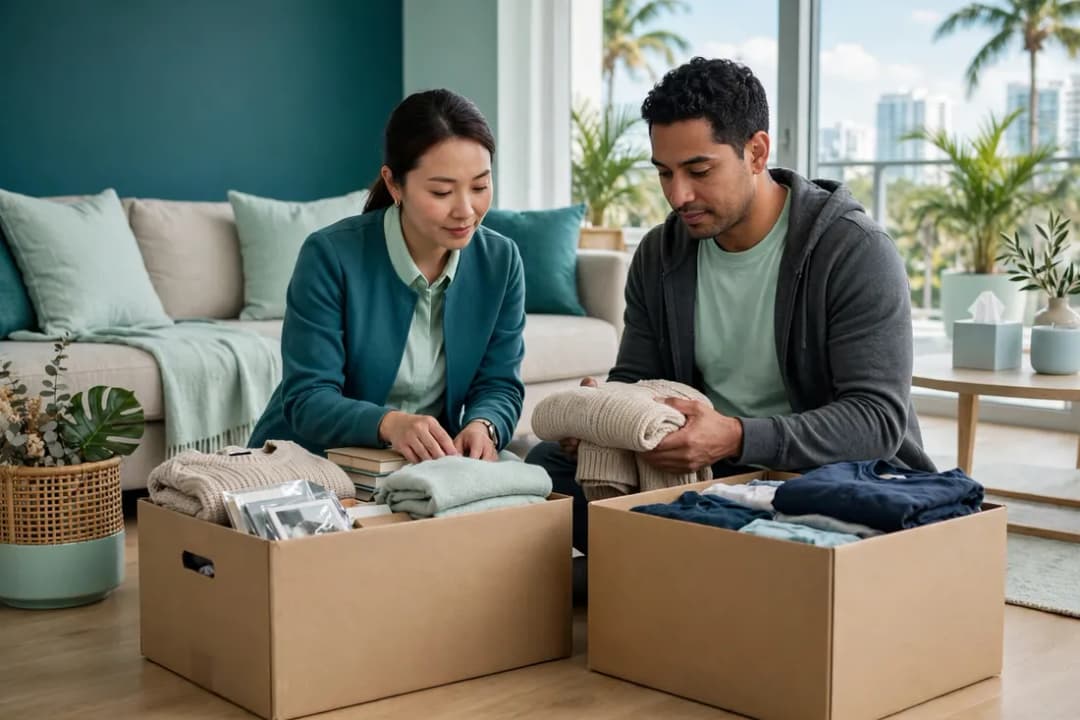
The first week is for essentials only. Secure the home, collect keys, and find the documents that unlock everything else.
Look for a will, insurance policies, bank statements, and property deeds. Check the mail, the medicine cabinet, and any desk drawers where bills tend to collect.
Do not rush into full sorting in these early days. Families who start with a whole house on day two often stall by day three, overwhelmed and guilty for stopping.
One drawer at a time is real progress.
Sorting Belongings Into Four Clear Categories
A simple system prevents the most common sorting mistake, which is moving the same box three times. Use four categories and label every box as you go.
Keep
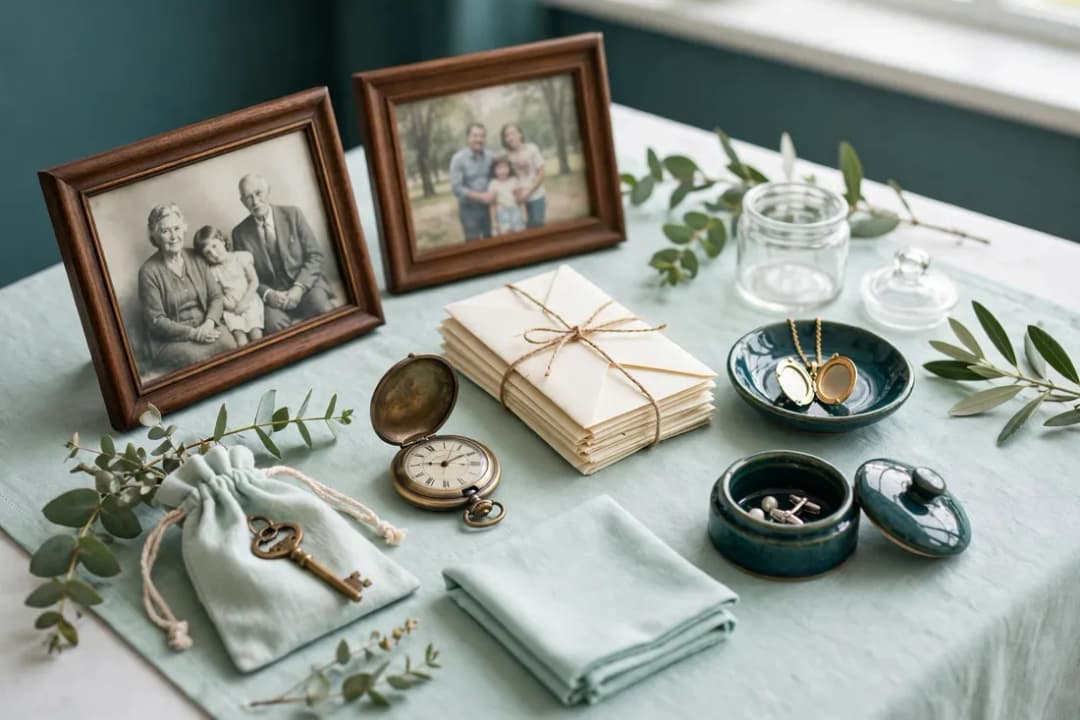
Keepsakes, photos, letters, jewelry, and items with clear family meaning go here. If two family members want the same item, set it aside for a calm conversation later, not a rushed decision at the kitchen table.
Donate
Usable clothing, furniture, and household goods can help another family. Many Miami charities accept furniture pickup, which saves grieving families a difficult trip.
Sell
Valuable items, vehicles, and collectibles may need appraisal before sale. Keep receipts and a simple list of what sold and for how much, since estates often need that record.
Discard
Broken, soiled, or unsafe items leave the house. This category also includes anything contaminated by bodily fluids, decomposition, or hazardous materials, which must never go into household trash.
I have sat with families who kept a broken chair for a year because throwing it away felt like betrayal. Letting go of an object is not letting go of the person.
Handling Sentimental Items With Care
Sentimental items carry the heaviest weight in a sorting project. Photos, handwritten notes, and a parent’s favorite sweater can stop a whole afternoon.
Set a gentle rule before you begin. Each person picks a small number of true keepsakes first, then revisits the rest later.
Photograph items you cannot keep. A photo of a familiar kitchen shelf can hold the memory without holding the shelf.
When siblings disagree, pause the item, not the relationship. A short break and a later conversation resolve more disputes than a debate in a dusty bedroom ever will.
Contaminated Belongings and Safety Boundaries
Some belongings cannot be sorted like ordinary household goods. Items exposed to bodily fluids, decomposition, pests, or drug residue need professional assessment before anyone handles them.
Soft items absorb contamination deeply. Mattresses, upholstered chairs, and carpet near a death scene are often unsalvageable, even when they look clean.
Hard, nonporous items can sometimes be disinfected by a professional crew. The decision depends on the material, the exposure, and how long it sat untouched.
Families sometimes ask me if they can clean one room themselves to save money. My honest answer is that the emotional cost usually exceeds the savings, and the health risk is real.
Our unattended death cleanup team in Miami handles the contaminated rooms first, so families can sort the rest of the house in a safe, clean space. Our biohazard cleanup service covers the same professional decontamination for any affected area.
For guidance on the days right after a death is found, see our guide on what to do after an unattended death is discovered.
A Room by Room Timeline That Actually Works
A realistic timeline protects both the house and the people sorting it. Most family homes take several weekends, not one long day.
Week One: Secure and Document
Change locks if needed, stop deliveries, and photograph each room before anything moves. Photos protect the estate and help with insurance or legal questions later.
Weeks Two to Four: Sort in Stages
Start with the least emotional rooms, such as a garage or laundry room. Confidence builds there, and the system gets easier before you reach a bedroom or study.
Month Two and Beyond: Keepsakes and Final Clearance
Return to set-aside items with fresh eyes. Many decisions that felt impossible in week one feel clear by month two.
If a room involves hoarding conditions, read our guide on cleaning a loved one’s home after they pass for a compassionate, staged approach.
What to Do With Paperwork, Digital Accounts, and Valuables
Paperwork deserves its own box, separate from keepsakes. Keep tax returns, deeds, titles, and insurance letters together until the estate is settled.
Digital accounts need attention too. Email, banking, and social media accounts should be closed or memorialized according to each platform’s rules, and passwords should never be shared casually among relatives.
Valuables found during sorting, such as cash, jewelry, or firearms, should be logged and secured immediately. Firearms in particular should be handled only by someone trained, and stored locked until transfer is arranged legally.
In Florida, estate and probate rules govern who may dispose of a deceased person’s property. When ownership is unclear, families should check guidance from the Florida Courts on probate before selling or giving away major assets.
Common Mistakes Families Make When Sorting Belongings
The first mistake is speed. Clearing a house in a single weekend often leads to regret, especially over photos and letters that cannot be recovered.
The second mistake is sorting alone. Grief narrows focus, and a trusted friend notices the important envelope taped inside a book that a tired family member would miss.
The third mistake is ignoring contamination. A room that smells musty or shows staining is not a room to sort in without professional clearance.
The fourth mistake is promising items before the estate is settled. Wait until ownership is clear, then distribute keepsakes with a written list everyone can see.
Summary
Sorting a deceased person’s belongings works best in stages: secure the home, sort into keep, donate, sell, and discard, protect keepsakes and paperwork, and get professional help for any contaminated room.
Move at a pace grief allows. Photograph what you cannot keep, pause disputed items instead of fighting over them, and finish with a clean, safe home rather than a rushed one.
If a death occurred in the home and rooms need professional cleaning first, contact Hazard Guard or call (888) 976-0045. Our Miami crews are available around the clock, and the call is free.