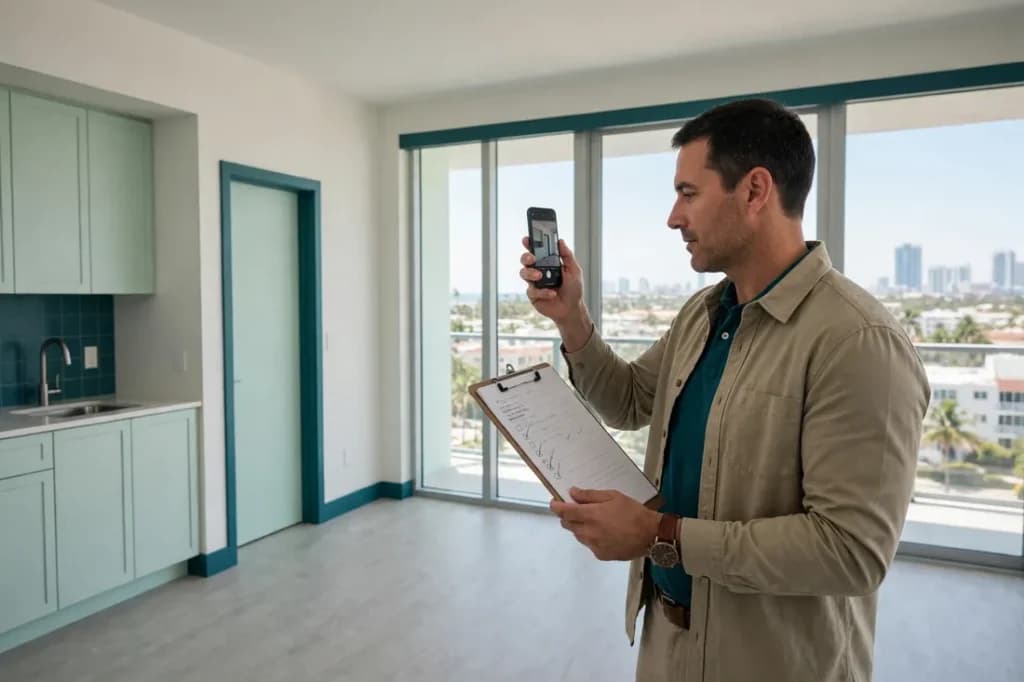
Landlord documentation after a tenant death is the dated, photographed, written record of what happened in a unit, what was cleaned, and what was restored. It protects the next tenancy, the insurance claim, and the landlord if anyone later disputes the condition of the unit.
Start the file the day you learn of the death. Do not wait until turnover is finished. A record made later looks reconstructed, even when it is honest.
The Official Timeline Comes First
Record the date and time of each step, in order. Note when you were notified, when authorities arrived, and when the unit was released to you.
Do not guess at times. Write “time unknown” where you do not know, and add the source of each fact.
A clean timeline answers most later questions on its own. Insurers, contractors, and future tenants all read the same dates.
In my work with Miami landlords, the weakest files are the ones with no dates at all. A folder full of photos means little when nobody can say which day each photo was taken.
Photograph the Unit Before Anything Moves
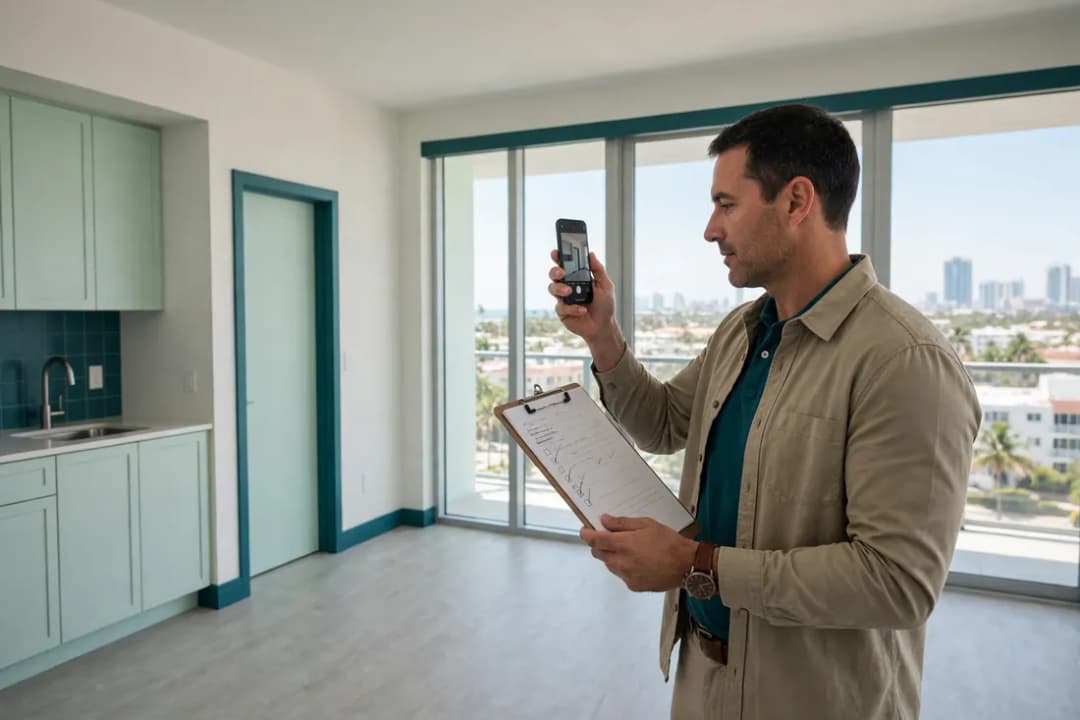
Photograph every room before cleanup begins. Capture wide shots first, then close shots of damage, staining, and affected surfaces.
Include a date stamp or a dated photo log. Keep the original files, not only edited copies.
Photograph closets, bathrooms, kitchens, and flooring edges. Contamination often travels further than the eye first suggests, especially under carpet and behind baseboards.
One Miami property manager I advised skipped the pre-cleanup photos to save time. The insurer later asked for proof of the original condition, and the claim stalled for weeks while everyone argued from memory.
Keep a Room by Room Condition Log
Write a short entry for each room. State what you saw, what was removed, and what was repaired.
Use plain language. Avoid conclusions you cannot support, such as a cause of death or a medical claim.
Note the condition of flooring, walls, fixtures, and appliances. Record serial numbers where they matter, such as a replaced refrigerator or HVAC filter.
This log becomes the turnover record. It also helps the next tenant see that the unit was handled properly, without sharing private details about the deceased tenant.
File the Cleanup Paperwork With the Photos
Ask the cleanup company for a written scope, an invoice, and a completion note. Keep the waste disposal paperwork in the same file.
A professional biohazard cleanup team in Miami should document its own process, including containment, disinfection, and disposal. That documentation supports your file, but it does not replace your own record.
For an unattended death cleanup, also keep the release information from the authorities. Do not enter the unit before it is released, and do not start cleanup before that release is documented.
Our earlier tenant death rental checklist covers the notification and release steps in order. Use it alongside this documentation guide.
Record Costs Separately From Rent Records
Keep cleanup, repair, and disposal costs in a separate section of the file. Attach every invoice, receipt, and payment record.
This separation matters for insurance and for any later discussion about who pays. Our guide on rental cleanup costs explains how landlord and tenant responsibility is usually divided.
Do not mix these costs into the general maintenance ledger. A clean cost trail is easier for an adjuster to approve and easier for you to defend.
What Not to Put in the File
Do not record private medical details about the tenant. Do not record speculation about how the tenant died.
Do not include the tenant’s personal papers, photos, or belongings in the documentation file. Those belong to the estate or the next of kin, handled separately.
Stick to facts about the unit: dates, conditions, actions, and costs. A disciplined file protects privacy and keeps the focus on the property.
The Turnover Log Closes the File
End the file with a turnover log. Record the date the unit was declared ready, the final inspection, and the date of the next tenancy.
List every repair completed after cleanup. Note any item left for later, with a date for that work.
Keep the file for at least as long as your insurer and your lease records require. In practice, I tell Miami landlords to keep it well beyond the next tenancy, because claims and questions can surface late.
Florida landlords operate under the Florida Residential Landlord and Tenant Act, Chapter 83, Florida Statutes. That Act sets the framework for habitability, notice, and lease duties, so your documentation should show that you met those duties in an orderly way.
Summary
Landlord documentation after a tenant death is a dated timeline, a photographed condition record, a room by room log, cleanup paperwork, and a clean cost file.
Start on day one, photograph before anything moves, keep private details out, and close with a turnover log. That file protects your claim, your next tenancy, and your position if the condition of the unit is ever disputed.
Need help documenting or restoring a unit in Miami? Contact Hazard Guard or call (888) 976-0045. Our crews respond around the clock, and the call is free.