A tenant’s death in a rental unit creates a legal situation, not just an empty apartment. The lease obligations pass to the tenant’s estate, Florida’s landlord-tenant law still governs your next moves, and any biohazard cleanup must be handled by trained professionals before the unit can be rented again.
The short version: secure the unit, notify the right people, document everything, work with the estate on belongings, and bring in professional cleanup for any bodily fluids or decomposition. Then turn the unit over.
The First 48 Hours Are About Securing and Notifying
When you learn a tenant has died in your unit, call the police and the local medical examiner first if no one has yet. They confirm the situation and release the scene. You do not remove anything from the unit at this stage.
Next, locate the emergency contact on the lease application. Call them and the tenant’s next of kin. If the lease has no contact listed, this is the moment to update your forms for every other unit you own. I have seen landlords burn days trying to find a family member because the emergency contact field was blank.
Once the scene is released by authorities, change or secure the locks and limit access to the unit. Document the condition with dated photos and video. This protects you against disputes later, and it is the evidence your insurer will ask for.
Florida Law: The Lease Does Not Die With the Tenant
Under Florida’s Residential Landlord and Tenant Act, the tenancy becomes an obligation of the deceased tenant’s estate. Rent continues to accrue until the lease is properly terminated or expires. You cannot simply clear the unit and re-rent it the next day.
Your remedies follow Florida Statute 83.595, the same provision that governs early termination and breach by a tenant. Most landlords work with the family or the estate’s personal representative toward a clean, written termination of the lease.
One mistake I see repeatedly: landlords who throw out belongings to get the unit back fast. In Florida, a tenant’s personal property must be handled with care, and discarding it without following the proper process can expose you to a claim from the estate. Slow is cheaper than a lawsuit.
Handling the Deceased Tenant’s Belongings the Right Way
Work with the next of kin or the estate’s personal representative. Agree on a written plan: a date for removing personal property, what stays, and what gets donated or discarded. Put it in writing, even a simple signed letter. Handshake deals go sideways.
If no family comes forward, store the belongings securely and keep records of what you did and when. Document every notice you sent. Consult a Florida landlord-tenant attorney before disposing of anything. This is not the place for improvisation.
The practical timeline I advise landlords in Miami: give the family 15 to 30 days for personal property removal, depending on the situation. Reasonable, documented, and defensible.
The Cleanup Is Non-Negotiable
If the death was unattended, decomposition has likely contaminated the space. This is biohazardous material: bodily fluids, and potentially tissue, that no standard cleaning crew should touch. Your liability as a landlord does not end with a mop and bleach.
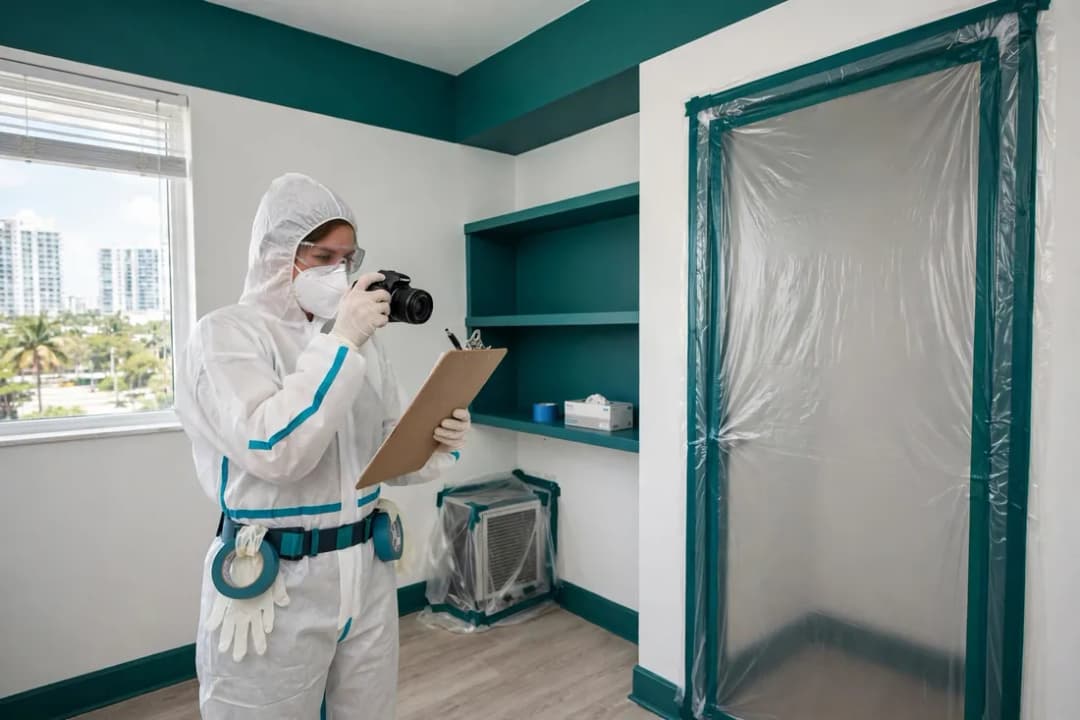
Hire a professional unattended death cleanup company that follows OSHA protocols and disposes of waste through a licensed transporter. Get a written scope and an itemized invoice. You will need it for the estate, the insurer, and your own records.
Do not send your maintenance guy in with gloves and trash bags. I have seen landlords try this to save money, and every time it ends with contamination that spreads and a second bill that is three times the first. The pros find what the eye misses and deodorize at the source.
Getting the Unit Rent-Ready and Re-Rented
Once cleanup is verified complete, reassess the unit. Flooring, drywall, and furnishings near the death may need replacement. Budget for this. Then follow your normal turnover: repairs, paint, deep clean, and new locks if warranted.
Florida does not require landlords to disclose a death in the unit to future tenants. Check your own conscience and your lease language, but the law does not force the conversation. Keep your records regardless, including the cleanup company’s clearance documentation.
Review your lease agreement for the gaps this experience exposed: emergency contacts, estate notification clauses, and who bears cleanup costs. Our landlord’s complete guide to biohazard cleanup covers the broader responsibilities. For the family side, our step-by-step guide on what to do after an unattended death is discovered is worth sharing with the next of kin.
The Landlord’s Checklist After a Tenant Death
- Call police and the medical examiner. Do not enter or remove anything first.
- Notify the emergency contact and next of kin.
- Secure the unit after the scene is released. Change the locks.
- Photograph and video everything, dated.
- Contact the estate’s representative. Agree on a written belongings plan.
- Hire professional biohazard cleanup for any bodily fluids or decomposition. Get an itemized invoice.
- Reassess, repair, and turn the unit over like any other turnover.
- Update your lease forms: emergency contacts and cleanup-cost clauses.
Summary
When a tenant dies in your rental unit, the lease passes to the estate, and your job is to secure the unit, notify family and authorities, document everything, handle belongings lawfully, and bring in professional biohazard cleanup before re-renting.
Work the checklist in order and keep records at every step. If you need help in Miami, contact Hazard Guard or call (888) 976-0045. We handle unattended death cleanup 24/7, and the call is free.