Author: Dr. Naomi Carter, LCSW, Hoarding & Wellbeing Specialist · Category: Hoarding · Map ref: H1 (pillar)
Hoarding cleanup is the professional, staged removal and remediation of a home affected by hoarding disorder. It combines consent-led sorting of belongings with deep cleaning, sanitation, and the safe disposal of biological hazards, so the resident can keep living in the home with dignity.
Hoarding disorder is a recognized mental health condition, not a character flaw. The DSM-5 lists hoarding disorder as persistent difficulty discarding possessions, regardless of their value, leading to clutter that makes living spaces unusable. Effective cleanup respects that reality. It moves at a pace the person can tolerate, and it protects their health at the same time.
Our hoarding cleanup team in Miami works this way every day.
Hoarding Cleanup Is Sorting First, Cleaning Second
A professional hoarding cleanup starts with the belongings, not the mop. The resident decides what stays, what is donated, and what goes, working beside a crew that treats every item with respect.
This is the point most families get wrong. The instinct is to rent a dumpster and throw everything out in a weekend. That fast cleanout almost always backfires. It destroys trust, triggers intense distress, and the clutter returns within months. I have watched families do this with love in their hearts and then call us a year later, back at square one.
Staged, consent-led sorting is slower. It is also the only approach that lasts.
The Compassionate Hoarding Cleanup Process
Our crews follow a consistent sequence on every job. It is built around safety, consent, and the resident’s pace.
Assessment and trust building
The first visit is conversation, not cleanup. We walk the home with the resident, listen to what matters to them, and identify hazards: blocked exits, fire risks, mold, animal waste, structural strain.
Trust starts here. Many people with hoarding disorder expect judgment. What they get from a professional crew is calm procedure. I tell every resident the same thing at this visit. Nothing leaves this house without your say-so.
Staged sorting with the resident
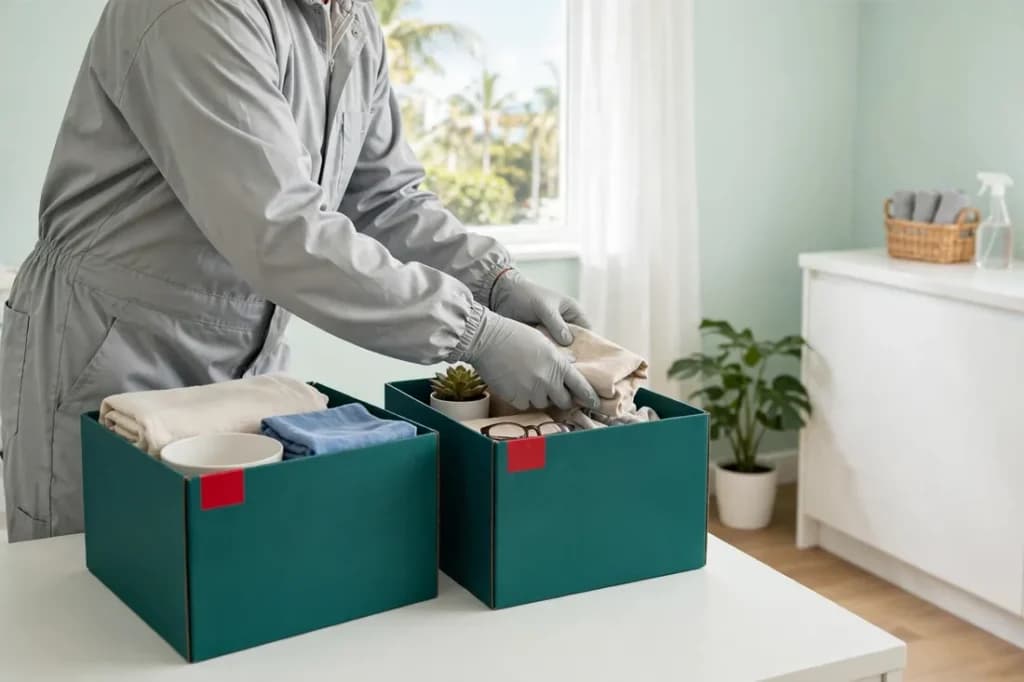
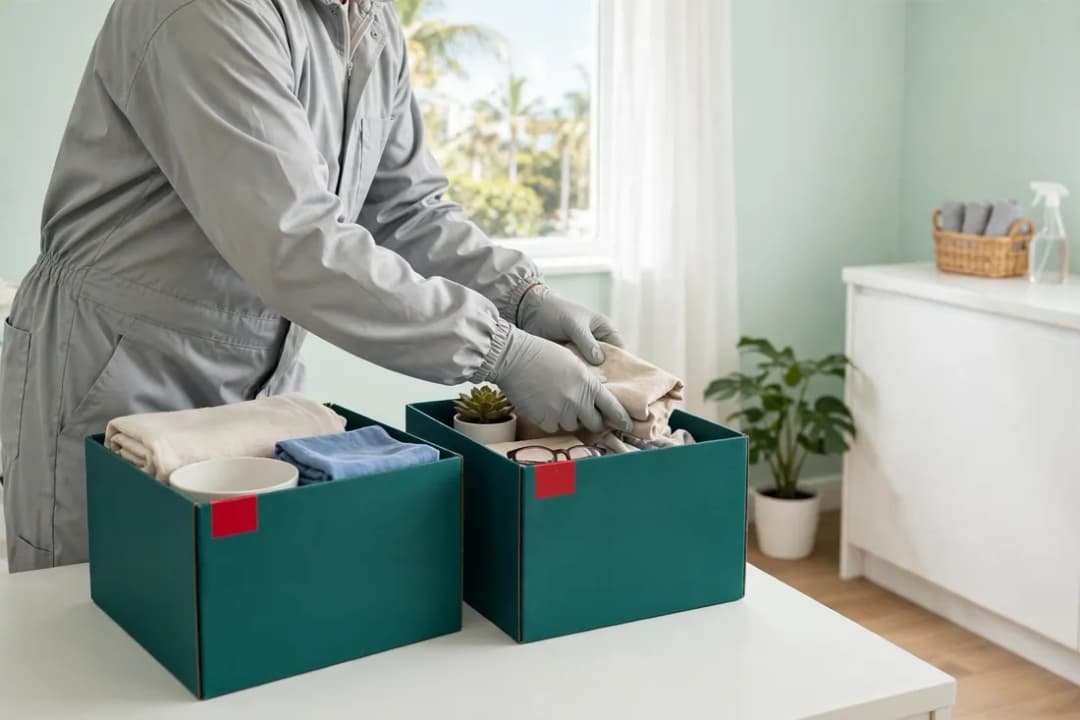
Sorting happens room by room, in small sessions. The resident makes every decision. We label everything: keep, donate, discard, undecided.
Crews watch for what families miss. Stacks of paper and books weigh far more than people expect, and in older Miami homes that load presses down on aging floor structures. Sealed boxes from years ago often hide rodent nesting, insect activity, or water damage the resident never saw.
Biohazard removal and disposal
Some hoards contain true biohazards: animal waste, rotting food, human waste from blocked plumbing, mold colonies fed by Miami’s humidity. These get removed by trained crews in PPE and leave through licensed medical waste channels, the same biohazard cleanup protocols we use on trauma scenes.
This is where a professional service matters most. Households rarely grasp how fast a damp, warm hoard grows mold behind walls. The CDC documents zoonotic disease risks in environments with concentrated animal waste, including leptospirosis and salmonella. Families cleaning without protection can expose themselves to the very things the cleanup is supposed to fix.
Deep cleaning, disinfection, and odor treatment
After sorting and removal, surfaces get a full clean and disinfection. Carpets and drywall that absorbed contamination are cut out and replaced rather than scrubbed in vain.
Odor gets treated at the source with enzyme treatments, not masked with fragrance. A home that smells fresh is a home the resident is willing to keep clean.

Hidden Hazards Hoarding Crews Find in Miami Homes
Hoarding conditions create dangers the resident often cannot see.
Structural load. Years of accumulated belongings stress floors and joists. In Miami’s older wood-frame and concrete-block homes, I have seen ceilings bow under stored weight that nobody questioned.
Mold from humidity. Miami’s air is damp most of the year. Clutter blocks airflow and traps moisture against walls, so mold colonies grow silently behind stacked items for years. Long exposure causes real respiratory problems.
Animal waste. Animal hoarding is one of the hardest situations we handle. Ammonia from urine builds up in the air, and accumulated waste carries zoonotic disease risk. Our bloodborne pathogens guide covers how crews protect themselves, and the same precautions apply here.
Blocked safety systems. Clutter blocks doors, windows, smoke detectors, and breakers. Firefighters call these homes high-risk, and for good reason.
A professional assessment finds all of this before cleanup begins. That is the difference between tidying and remediation.
Hoarding Cleanup Costs: Honest Ranges
Honest answer: it depends on size, clutter volume, and hazard level. A single cluttered room with light sorting can cost in the low hundreds. A full home with biohazard contamination, mold remediation, and heavy sorting labor runs into the thousands, sometimes the low five figures for severe cases.
Four factors drive the price. Property size and clutter volume set the labor hours. Biohazard presence adds PPE, specialized disposal, and licensed waste fees. Sorting time with the resident adds hours compared to a straight haul-out. And Miami’s humidity means mold remediation shows up in more jobs than in drier cities.
Reputable companies give a written scope and price after seeing the home. Be wary of anyone who quotes over the phone without a walk-through. The scene always differs from the description.
How to Help a Loved One Without Conflict
This is the question families ask me most. The answer starts with understanding. Shaming, ultimatums, and surprise cleanouts deepen the disorder. They never resolve it.
What works: express concern about safety, not judgment about the mess. Ask permission before touching anything. Offer to sit with them through the first professional assessment. Celebrate small cleared areas rather than focusing on what remains.
A professional team helps here too. Residents often accept guidance from a neutral crew that they will not accept from family. Our role is not just cleaning. It is creating the conditions where the person can say yes to change.
When to Call a Professional Hoarding Cleanup Service
Call when safety is at stake: blocked exits, fire hazards, mold, animal waste, or plumbing failures. Call when the volume exceeds what the family can sort without distress. And call when a previous DIY cleanout already failed once. That pattern tells you the problem needs a professional structure.
Hazard Guard’s crews work discreetly, in unmarked vehicles, at the resident’s pace. The goal is a safe, livable home, and a person who still feels ownership of it.
Summary
Hoarding cleanup is professional, staged remediation of a home affected by hoarding disorder. It starts with consent-led sorting alongside the resident, removes biohazards and hidden dangers like mold and structural load, and finishes with deep cleaning and odor treatment.
The compassionate approach works because it treats the person, not just the clutter. Costs vary with size, volume, and hazard level, so get a written on-site estimate rather than a phone quote. Families help most by offering support without judgment and letting professionals handle the hazards.
Need help in Miami? Contact Hazard Guard or call (888) 976-0045. Every consultation is confidential, and the call is free.