
Helping someone who hoards means guiding them to clear their home without force, shame, or surprise cleanouts. It is a staged, consent-led process where the person decides what leaves and what stays.
This approach prevents conflict because it treats hoarding disorder as a mental health condition, not a housekeeping failure. When families shift from judgment to understanding, cooperation becomes possible.
The DSM-5 recognizes hoarding disorder as persistent difficulty discarding possessions, regardless of their value. It is not laziness or stubbornness.
Grasping that distinction changes everything about how you help.

The Wrong Help Model: Force, Shame, and Surprise Cleanouts
Many families rent a dumpster and throw everything out in a weekend. They mean well.
They want their loved one safe.
This is the approach I see fail most. In fourteen years of practice, I have watched surprise cleanouts destroy trust overnight.
The person feels violated. Distress spikes.
Within months, the clutter returns, often worse than before.
Shame works the same way. Ultimatums, disgusted comments, and constant nagging deepen the disorder.
They never resolve it. A person who hoards already expects judgment.
Adding family judgment confirms their worst fear: that nobody understands what they are going through.
If a dumpster cleanout already failed once, that is not a sign to try it again harder. It is a sign the approach is wrong.
What Actually Helps: Safety First, Consent-Led Support
Helping someone who hoards works when you aim at safety, not tidiness. The goal is a home that is safe to live in.
That is a far smaller and less threatening target than a perfectly clean house.
Start by expressing concern about specific hazards. Say, “I am worried the hallway is blocked if there is a fire.” That lands differently than, “This place is a disaster.” One is care.
The other is attack.
Ask permission before touching anything. Every item in a hoarded home has a reason it is still there.
Respecting that reason builds the trust that makes cleanup possible. Our hoarding cleanup crews in Miami run on the same principle: nothing leaves without the resident’s say-so.
7 Ground Rules for Helping Without Conflict
Families ask me for a playbook. Here is the one I give them.
1. Lead with safety, not judgment. Talk about blocked exits, fire risk, and mold. Never about the mess itself.
2. Ask before you touch. Permission is the currency of trust. Spend it carefully, every single time.
3. Work in small sessions. Two hours is plenty. Long marathons exhaust everyone and end in arguments.
4. Let them decide. Keep, donate, discard, undecided. Their call, on every item, without exception.
5. Celebrate small wins. A cleared hallway matters. Say so out loud. Progress needs recognition to continue.
6. Never throw things away in secret. If trust breaks, cleanup stops. It really is that simple.
7. Bring in a neutral third party. Residents often accept guidance from a professional crew that they will reject from family. Our guide to hoarding cleanup explains how crews structure the process.
Staged Sorting: The Only Cleanup Method That Lasts
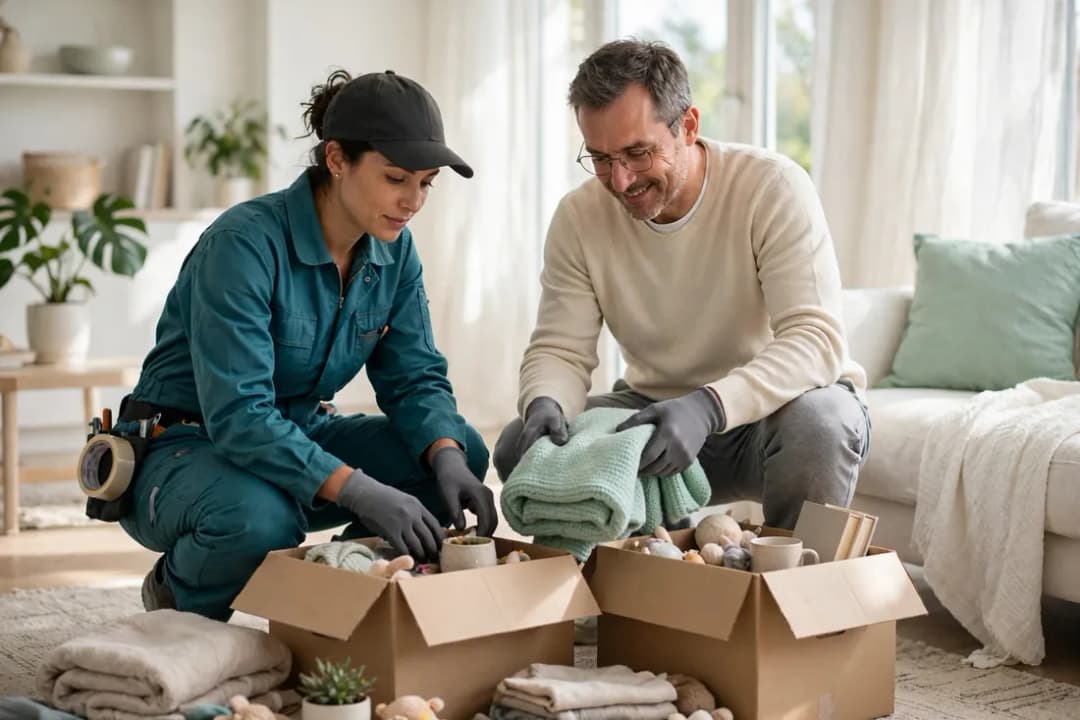
Professional hoarding cleanup is sorting first, cleaning second. The resident works room by room with the crew, making decisions at a pace they can tolerate.
Families try to skip the sorting. They want the dumpster.
But sorting is where lasting change happens. A person who chose to let things go keeps them gone.
A person who had things taken from them refills the space.
I worked with a daughter in Hialeah who spent six months in quiet arguments with her mother over a packed garage. One guided sorting session with clear categories changed the dynamic completely.
Her mother chose to donate three boxes of old magazines herself. She told her daughter she finally felt in control.
That feeling is what prevents relapse.
Crews handle the parts families should not touch. Animal waste, rotting food, mold colonies fed by Miami’s humidity, human waste from failed plumbing.
These leave through licensed biohazard disposal channels in full protective gear. Families cleaning without protection risk exposure to the very hazards the cleanup is meant to fix.
When Professional Help Changes Everything
Call a professional team when safety is at risk: blocked exits, fire hazards, mold, animal waste, or plumbing failures. Call when the volume exceeds what the family can sort without distress.
And call when a previous cleanout already failed once. That pattern tells you the problem needs a professional structure.
A neutral crew changes the family dynamic too. The resident stops defending against relatives and starts cooperating with a process.
I have seen twenty-year standoffs soften in a single professional assessment visit.
Hazard Guard’s crews work discreetly, in unmarked vehicles, at the resident’s pace. The goal is a safe, livable home and a person who still feels ownership of it.
Summary
Helping someone who hoards works when you drop force and shame and replace them with trust, safety-first goals, and consent-led sorting. Speak about hazards, not mess.
Ask before touching anything. Work in short sessions, celebrate small wins, and bring in a neutral professional when the situation exceeds what family can handle.
Need discreet help in Miami? Contact Hazard Guard or call (888) 976-0045.
Every consultation is confidential, and the call is free.