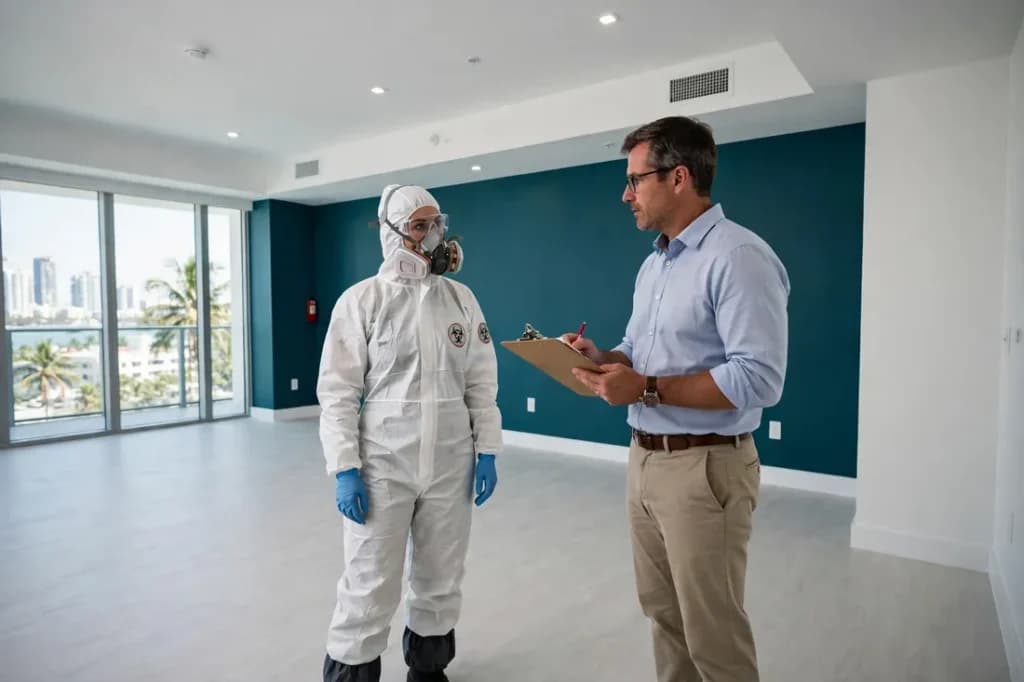
Hoarding in a rental unit is the accumulation of belongings, waste, or animals in a rented home to a level that creates fire, health, or safety hazards, blocks exits, or damages the property. A landlord facing it must protect safety and the building, respect the tenant’s rights, and follow a documented, staged process rather than rushing to a forced clear out.
That balance is the whole job. Move too slowly and a hazard grows. Move too aggressively and trust, and sometimes the tenancy itself, breaks down.
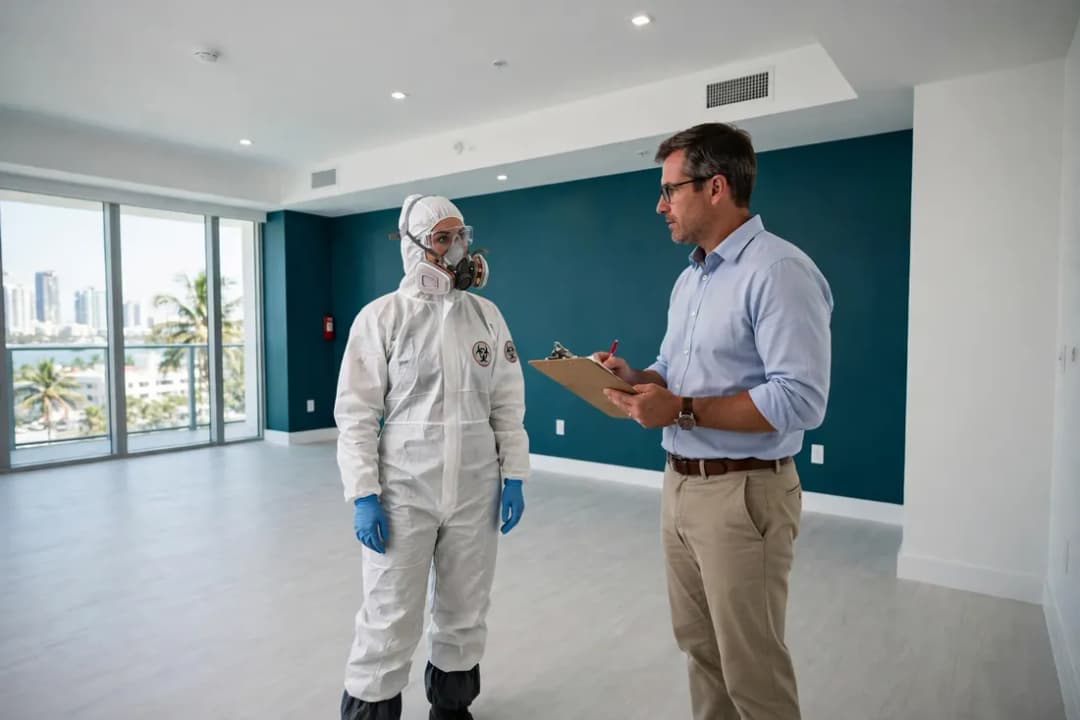
Hoarding in a Rental Differs From Hoarding in an Owned Home
A rental adds a third party with legal duties. The landlord owns the building and the habitability duty. The tenant holds the right to quiet enjoyment of the home. Neighbors share walls, hallways, and ventilation.
That triangle changes every decision. A private homeowner can choose a slow pace with no outside deadline. A landlord must answer to neighbors, insurers, and sometimes a fire marshal or housing inspector, while still giving the tenant a fair chance to fix the problem.
In my work with Miami landlords, the cases that go wrong almost always start the same way. Someone walks into a unit, panics at what they see, and issues an ultimatum. The tenant shuts down, the hazard stays, and the next visit is worse.
Early Signs a Landlord Should Not Ignore
Most hoarding in rentals is found during routine visits, not emergencies. A maintenance call, a pest complaint, or a neighbor report about odor often reveals the first signs.
Watch for blocked exits, stacks near stoves or electrical panels, animal waste, heavy pest activity, leaking plumbing hidden behind clutter, and mail or notices piling up unopened. Any one of these deserves a calm, documented conversation, not a confrontation.
Photograph only what you need for the property record, from doorways where possible. Note dates, conditions, and what was discussed. That file matters if the case later reaches a housing authority or a court.
Safety Assessment Comes Before Any Cleanup Demand
Before demanding cleanup, get a professional safety assessment. A trained assessor checks exits, fire risk, structural load, sanitation, and whether the unit is safe to enter.
This step protects everyone. I have assessed units in Hialeah and Kendall where a landlord planned to send a general cleaner in alone, and the real risks were a blocked bedroom exit and a sagging floor under stacked boxes. A general cleaner should never have entered either home alone.
The assessment also sets a fair scope. It separates urgent hazards from ordinary clutter, so the tenant is asked to fix real dangers first, not to transform the whole home in a week.
When the assessment finds biohazard conditions such as animal waste, sewage, or mold, that portion needs a professional hoarding cleanup team in Miami. General cleaning crews are not equipped for regulated waste or contaminated materials.
A Staged Plan Protects the Tenancy
The strongest approach is staged, written, and specific. Agree on what must change, by when, and what help is available, then put it in writing.
Start with exits, fire hazards, and sanitation. Clear doorways and hallways, move stacks away from stoves and panels, restore a working toilet and clean water, and remove animal waste and rotting matter. Those are safety items, and they are non negotiable.
Leave sorting and decluttering of the rest of the home to a second phase, with regular check ins. One room at a time, with a named support person, works far better than a single massive deadline.
Our guide on when hoarding cleanup becomes an emergency explains the triggers that justify faster action. If none of those triggers is present, a staged plan is the right pace, even when the unit looks overwhelming.
Communication That Keeps Cooperation Alive
How a landlord talks about hoarding decides whether the tenant cooperates. Keep the focus on safety and the building, not on character or blame.
Say what you observed, plainly and without disgust. Name the specific hazard, such as a blocked exit or a pest problem affecting neighbors. Offer a clear next step and a date to review it. Ask what support the tenant already has, such as family, a clinician, or a case manager.
Never threaten eviction in the first conversation unless an immediate danger or a legal notice genuinely requires it. A threat that is not followed through teaches the tenant that deadlines are empty. A threat that is followed through too fast can look like retaliation or discrimination if a disability is involved.
Keep every conversation in writing afterward. A short email summarizing what was agreed protects both sides and prevents the “you never told me” dispute I see so often.
Legal Limits Landlords Must Respect
Landlords cannot simply enter a unit and remove a tenant’s belongings. Entry, notice, and eviction rules in Florida set real limits, and they vary with the lease and the facts.
Florida landlords must maintain habitable premises under the Florida Residential Landlord and Tenant Act, Chapter 83, Florida Statutes. That duty pushes landlords to act on hazards. It does not give them a right to seize property or to change locks without following the legal process.
Entry usually requires proper notice except in a genuine emergency. Removing belongings without consent or a court order can create liability, even when the landlord’s intentions were good. Eviction for a lease violation or a health hazard generally requires written notice and an opportunity to cure, where the law provides one.
Disability is a further limit worth understanding. Hoarding disorder is a recognized mental health condition, and some tenants may be entitled to a reasonable accommodation, such as extra time or a staged plan. That does not mean a landlord must accept a dangerous unit. It means the response should be proportionate and documented.
When the situation involves a contested eviction, a discrimination question, or a tenant who refuses all access, get legal advice before acting. Our guide on landlord liability for a biohazard in a rental explains how knowledge, response time, and documentation shape exposure.
When the Tenant Will Not Cooperate
Some tenants refuse help, deny access, or agree to a plan and then do nothing. That is painful, and it is also common in hoarding cases, where shame and fear run deep.
Do not escalate straight to a dumpster. Escalate in steps. Send a written notice naming the specific hazards and a reasonable cure period. Offer a professional assessment and a staged plan in that notice. Document each missed step with dates.
Involve the tenant’s support network where the tenant consents, or where a genuine emergency allows it. A family member, clinician, or social worker can sometimes open a door that a landlord cannot.
If access is refused and a hazard threatens neighbors or the building, the legal route is a court process, not self help. A judge can order access or possession where the law allows it. That route is slower than a landlord wants, but it is the route that holds up.
Costs, Insurance, and Who Pays
Cleanup costs in a rental hoarding case usually fall into two questions: who pays for the professional work, and who pays for repairs to the unit. Those answers depend on the lease, the cause, and whether an insurer accepts a claim.
Document costs separately. Keep the cleanup scope, the waste disposal paperwork, and the repair invoices in different files. That separation helps with deposit disputes and insurance claims alike.
Some policies exclude long term neglect or hoarding related damage. Do not assume coverage. Notify the insurer early, share the assessment, and get the coverage answer in writing before promising the tenant anything about cost.
For biohazard portions of the job, use a crew that provides a written scope and disposal documentation. A biohazard cleanup service in Miami documents containment, disinfection, and regulated disposal, which is the record an insurer or a housing authority will ask for.
Working With Neighbors and the Building
Neighbors are often the first to suffer, through odor, pests, or fire risk in a shared building. They deserve a response, but not the tenant’s private details.
Tell affected neighbors that the issue is being addressed, give a realistic timeline, and explain how to report new problems. Do not share the tenant’s health information or the contents of the unit.
In a condo or HOA building, coordinate with the association early. Shared walls and ventilation mean a hoarding hazard rarely stays inside one unit, and the association may have its own enforcement steps that run alongside the landlord’s.
Summary
Hoarding in a rental unit requires a landlord to balance safety, the building, and the tenant’s rights. Start with a professional safety assessment, fix exits, fire hazards, and sanitation first, and use a staged written plan for the rest.
Respect legal limits on entry, belongings, and eviction, document every step, and get legal advice before a contested move. That approach protects the tenant, the neighbors, and the landlord’s own position.
Facing a hoarding situation in a Miami rental? Contact Hazard Guard or call (888) 976-0045 for a discreet safety assessment and a staged cleanup plan.