When a crime scene is released, someone has to pay for the cleanup. In most cases that someone is the property owner: police and taxpayers do not cover private cleanup costs. But the owner rarely pays the full bill alone. Homeowners insurance often covers the remediation, and crime victims in Florida may qualify for state compensation that reimburses cleanup expenses.
Here is how each piece works, and what to do first.
The Property Owner Pays First
This surprises people, so let me say it plainly. When police finish their investigation and release the scene, the cleanup responsibility falls on the property owner or the person in control of the property. The city does not clean your home. The police do not clean your home.
If you own the home, the bill is yours to manage. If you are a landlord, it is yours unless your lease says otherwise, which it usually does not. If you are renting and the crime happened in your unit, talk to your landlord immediately, because responsibility splits get messy fast.
The good news is that “responsible for paying” and “paying out of pocket” are different things. Two safety nets exist for exactly this situation.
How Homeowners Insurance Helps
Most homeowners policies cover crime scene cleanup when the crime is a covered peril, which violent crimes and vandalism generally are. The policy pays for professional remediation after your deductible, and the coverage sits under the dwelling or personal property sections.
Read our guide on whether homeowners insurance covers biohazard cleanup for the full picture. Then run the numbers before you file: a $3,500 cleanup against a $5,000 deductible means you pay everything yourself, and the claim still goes on your record. When the bill clearly exceeds the deductible, filing is the right move.
Florida Victim Compensation: A Resource Families Miss
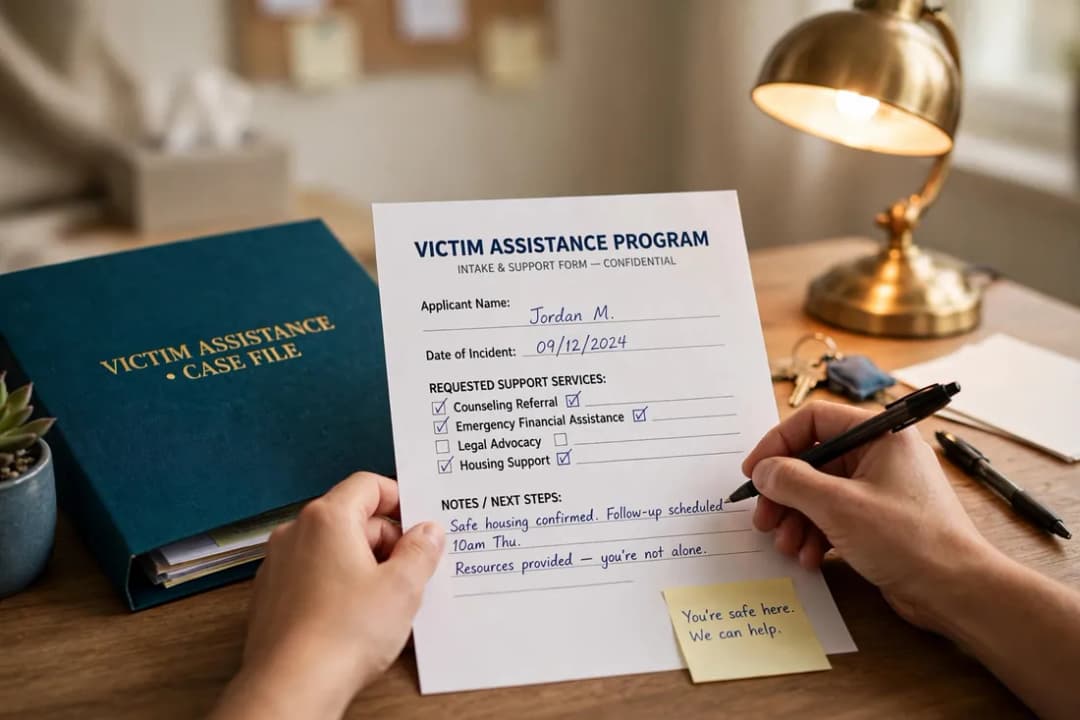
Here is the resource most families never hear about. Florida’s Bureau of Victim Compensation, run through the Attorney General’s office, can reimburse costs associated with cleaning up a crime scene to remove biological evidence or hazardous materials, according to LegalClarity’s guide to Florida victim compensation. It acts as a payer of last resort, covering what insurance does not.
To qualify, the crime must be reported to law enforcement, the victim or family must cooperate with the investigation, and the expenses must be documented with itemized bills. The Miami-Dade State Attorney’s office explains how to apply: submit a claim application with proof of the crime and proof of crime-related expenses.
In my experience, eligible families who apply early and keep clean records get meaningful help. Families who never hear about the program pay everything themselves. Now you have heard about it.
What the Cleanup Actually Costs
Crime scene cleanup in Miami typically runs from a few thousand dollars for a contained single room to well into five figures for severe or multi-room scenes. What drives the price is the extent of contamination, the materials that must be removed, and the specialized disposal required.
Our honest breakdown of biohazard cleanup costs in Miami walks through the real price ranges by situation. Knowing the range matters here, because both your insurer and the victim compensation program will ask for itemized, reasonable costs.
Practical Steps to Get the Bill Paid
When you are facing the cleanup bill, work this list in order:
1. Get a professional written estimate first. You need real numbers before you talk to anyone about money. A documented scope from a licensed trauma cleanup company is the foundation of every claim.
2. Call your homeowners insurer. Report the crime, get your claim number, and ask what documentation the adjuster needs. File only if the bill exceeds your deductible.
3. Apply to the Bureau of Victim Compensation. Do this in parallel, not after. Applications take time to process, and the program needs police reports, itemized invoices, and proof of what insurance did not cover.
4. Keep every document. Photos, estimates, invoices, the police report, and every letter or email. Every payer in this chain decides based on paperwork.
5. Never sign away reimbursement rights casually. Some contracts and settlement documents include clauses that affect who gets repaid. Read before you sign.
Summary
The property owner is responsible for crime scene cleanup costs, but rarely pays alone. Homeowners insurance covers the bill after the deductible when the crime is a covered peril, and Florida’s Bureau of Victim Compensation can reimburse eligible families for what insurance does not cover.
Start with a professional written estimate, then work insurance and victim compensation in parallel. If you need help in Miami, contact Hazard Guard or call (888) 976-0045. We provide the itemized documentation both programs require, and we respond 24/7.