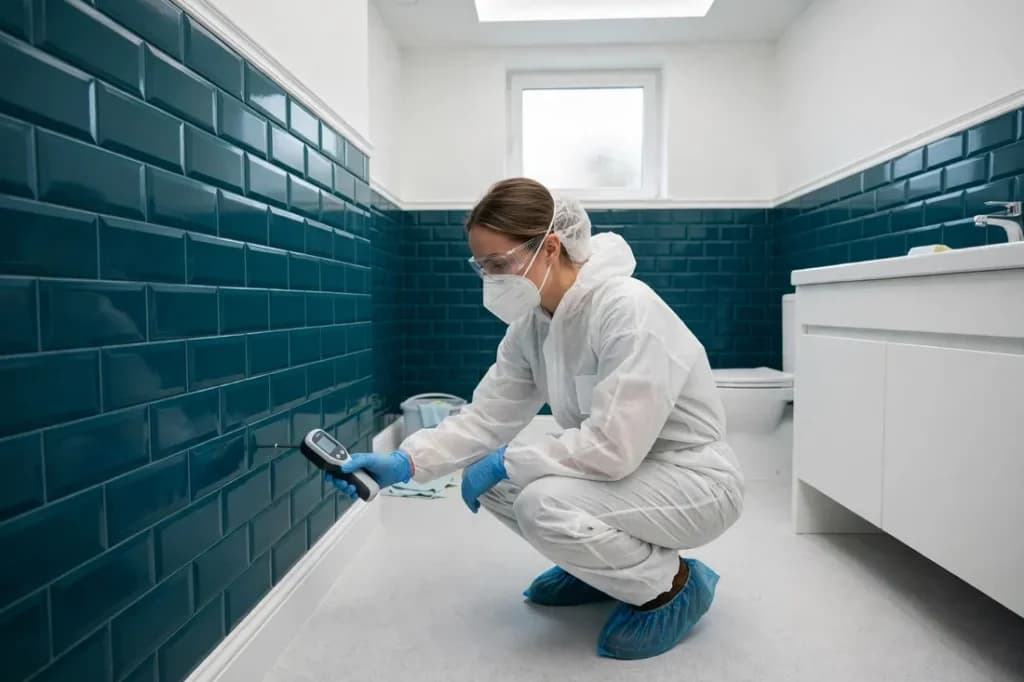
After a sewage backup is cleaned, verify the space is fully dry, check for hidden moisture and mold risk, confirm drains and plumbing are repaired, and wait for professional clearance before moving furniture back. Sewage is Category 3 black water, so a surface that looks clean can still hide moisture in walls, subfloors, and cabinets. Re-entry is safe only when drying is verified, not just assumed.
The days after cleanup matter as much as the cleanup itself. Most post-backup problems I see come from moving back in too fast.
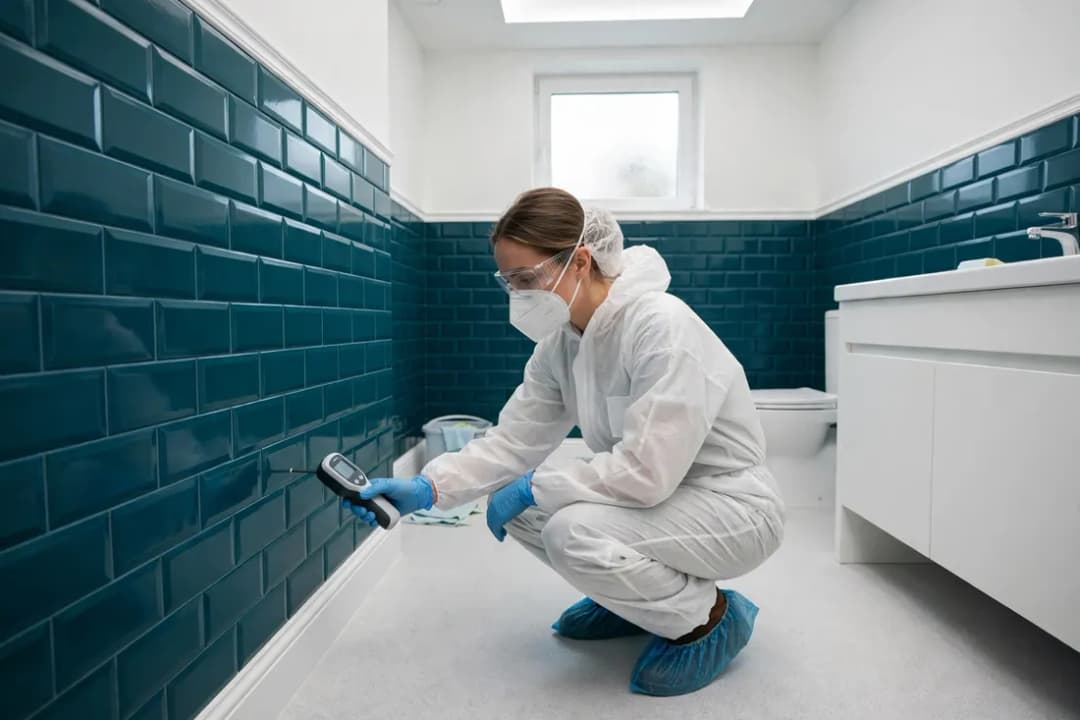
Confirm Drying Is Verified, Not Just Visited
Drying takes longer than most homeowners expect. A fan running for a day does not mean a wall cavity is dry.
Ask the cleanup crew for moisture readings, not just a verbal assurance. Readings should cover walls, baseboards, subfloor, and any cabinetry that contacted sewage. Dry means readings back to normal for those materials, compared against an unaffected area of the same home.
On a Kendall job last year, the visible floor dried in two days. The moisture meter still read high behind the bathroom vanity on day four. The vanity base had wicked sewage water upward. We removed it before mold had a chance to start.
If your crew leaves drying equipment running, leave it running. Turning off dehumidifiers early to save noise or power is the most common way a “finished” job turns into a mold job. If you are unsure whether drying is complete, ask our biohazard cleanup team in Miami to re-check readings before you move furniture back.
Watch for Mold in the Weeks After
Mold risk peaks in the two to four weeks after a sewage backup. Miami humidity shortens that window further.
Check the affected rooms weekly for the first month. Look for musty odors, discoloration on walls and baseboards, and soft or swollen drywall. Check inside cabinets and behind toilets, where moisture hides.
Do not paint over a suspicious spot to hide it. Paint seals moisture in and delays the real fix. If you see growth or smell a persistent musty odor, call the cleanup company back before it spreads.
Ventilation helps, but it is not a substitute for dry materials. Air movement across a wet wall cavity dries the surface while the inside stays damp.
Confirm the Plumbing Cause Is Fixed
Cleanup without repair guarantees a repeat backup. Before you consider the job closed, confirm the cause was found and fixed.
Common causes include a main line blockage, tree root intrusion, a failed backwater valve, and heavy rain overwhelming a combined drain. Each one needs a different repair. A plumber’s report should name the cause and the fix in writing.
Keep that report with your cleanup file. If the backup repeats, the report shows what was already addressed and what still needs work.
Our guide to immediate safety steps during a sewage backup covers what to do while you wait for help. The post-cleanup phase covered here starts where that guide ends.
Clean and Replace What Sewage Touched
Sewage contaminates more than floors. Soft materials that absorbed black water generally cannot be disinfected reliably.
Plan on discarding soaked carpet padding, affected drywall sections, and porous items that sat in sewage. Hard surfaces can be cleaned and disinfected. Upholstered furniture that absorbed sewage is usually a loss, even when it looks salvageable.
Wash all hard items from the affected area with detergent and water, then disinfect with an EPA-registered product at label dwell time. If sewage mixed with blood or bodily fluids, for example after a medical emergency at home, treat the job under our broader trauma cleanup scope as well. Launder washable fabrics separately on a hot cycle, and discard anything that still smells after washing.
Do not store salvaged items back in the affected room until drying is verified. Moving damp boxes back in reintroduces moisture to a dry space.
Protect Your Family During Re-Entry
Re-enter in stages, not all at once. Start with a walkthrough of the cleaned rooms before furniture returns.
Keep children and pets out of the affected area until clearance is confirmed. Their exposure risk is higher because they touch floors and put hands near faces.
Replace HVAC filters if the system ran during or after the backup. Check floor vents in the affected rooms for debris. If sewage reached ductwork, ask about professional duct cleaning before running the system normally.
Our guide on protecting your family before professionals arrive covers the isolation steps that also apply in reverse during a staged re-entry.
Document Everything for Insurance
Post-cleanup documentation protects your claim and your resale position. Photograph each room after cleanup and after furniture returns.
Keep the cleanup scope, the final invoice, the plumber report, moisture readings, and any clearance letter in one file. Note dates for each step. If mold appears later, that timeline shows you acted promptly.
If your insurer already opened a claim, send the post-cleanup documents to your adjuster as they arrive. Do not wait until the file is complete. Adjusters close files on their own schedules.
When to Call the Crew Back
Call the cleanup company back promptly if any of these appear after the job:
- A sewage odor returns, even faintly, in the affected rooms
- Walls feel soft, paint bubbles, or baseboards warp
- Musty smells persist after the space tests dry
- A drain gurgles, drains slowly, or backs up again
- Anyone in the home develops persistent respiratory irritation that tracks to time spent in the room
Early callbacks are usually small fixes. Late callbacks are often second remediations. Do not wait to see if a problem resolves itself.
Summary
After a sewage backup is cleaned, verify drying with moisture readings, watch for mold for a full month, confirm the plumbing cause is repaired, replace porous materials sewage touched, and re-enter in stages. A room is ready when it tests dry and the cause is fixed, not when it merely looks clean.
Keep your documents together and call the crew back at the first sign of odor, moisture, or mold.
Dealing with a sewage backup aftermath in Miami? Contact Hazard Guard or call (888) 976-0045 for post-cleanup verification and safe re-entry guidance.