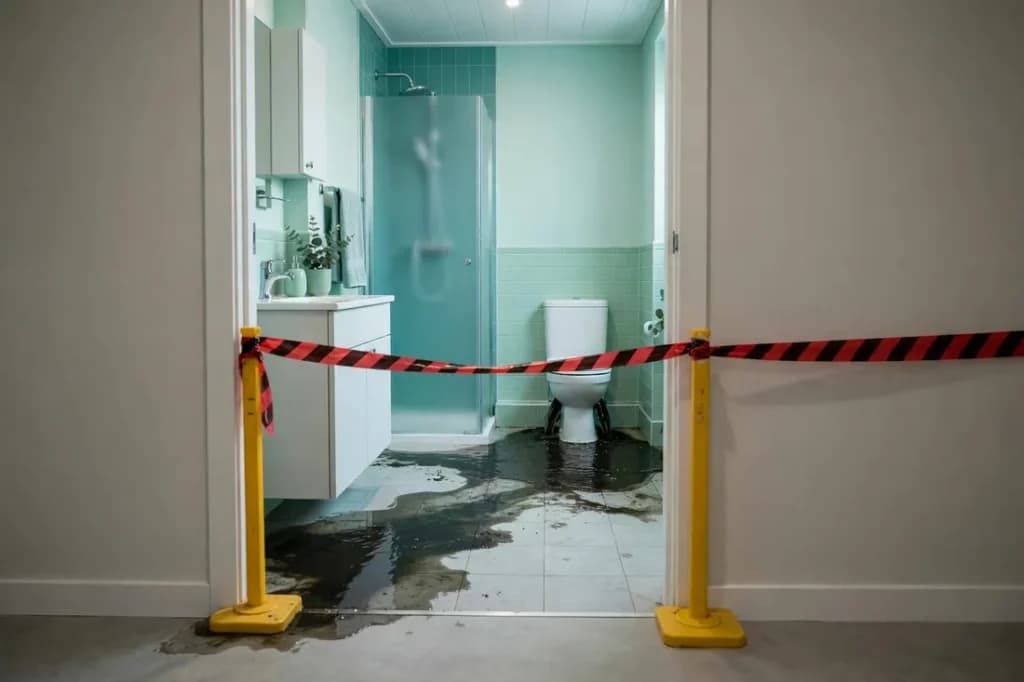
A sewage backup is a Category 3 water loss, the highest contamination level recognized by the restoration industry. Treat it like a biohazard, because it is one.
Sewage carries bacteria, viruses, and parasites, including E. coli, hepatitis A, and norovirus, documented by the CDC. It also carries an electrical risk when water reaches outlets or appliances. These seven steps keep your household safe until a professional crew takes over.
What Makes Sewage Backup Dangerous
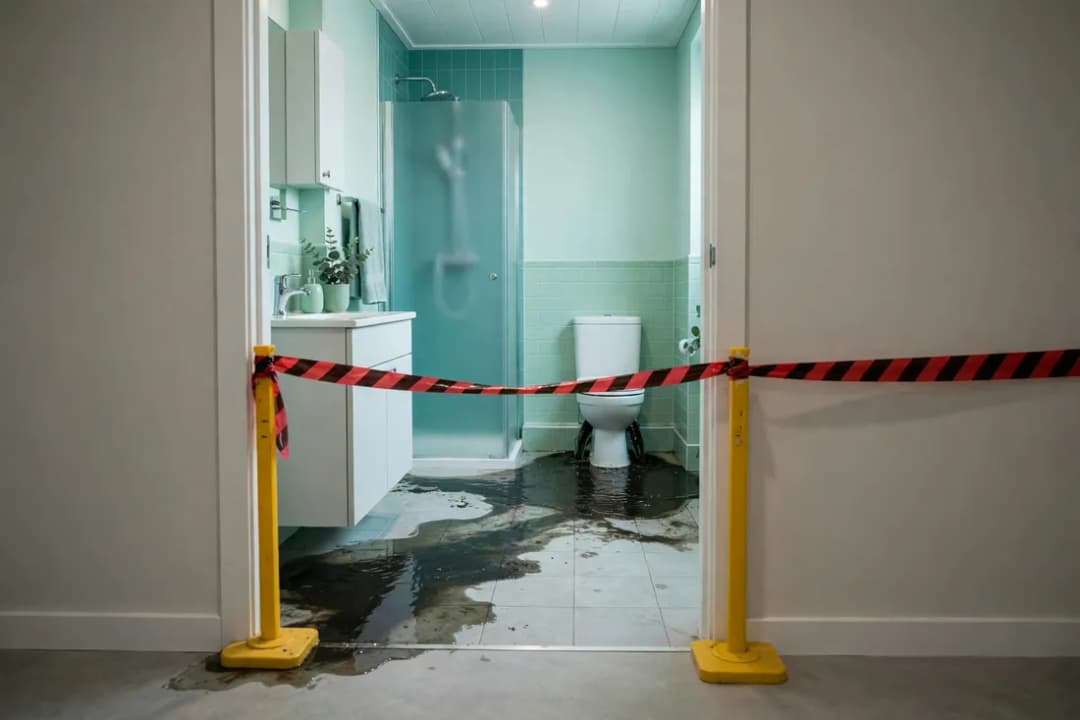
Sewage backup is raw or partially treated wastewater entering your home through drains, toilets, or floor drains. The IICRC classifies it as Category 3, “black water,” the most unsanitary water category there is. (IICRC S500 Standard)
Category 3 water can contain pathogens that cause gastrointestinal illness, skin infections, and respiratory problems. It also damages porous materials beyond saving: carpet, padding, drywall, and insulation that contacted sewage must be removed, not cleaned.
Miami adds its own wrinkle. Heavy rain seasons overload aging sewer laterals in older neighborhoods. I have seen backup calls spike after single storm events across Miami-Dade. If your block floods, check your lowest drains early.
7 Immediate Safety Steps to Take
1. Keep Everyone Out of the Affected Area
Close the doors to the affected rooms. Keep children, pets, and elderly family members completely away. Nobody needs to see it or stand in it.
2. Shut Off Electricity to the Area
If water is near outlets, appliances, or your electrical panel, cut power to that zone at the breaker box. Never touch electrical equipment while standing in water.
Water and electricity is the fastest way a messy situation becomes a fatal one.
3. Do Not Use Your Plumbing
Stop running water, flushing toilets, and using drains. Every gallon you send down the line can push more sewage back up. Tell everyone in the house.
4. Open Windows for Ventilation
Sewage releases gases, including methane and hydrogen sulfide. Crack windows in the affected area if you can do it without entering the water. Do not run the HVAC, because it can spread airborne contaminants through the ductwork.
5. Do Not Try to Clean It Yourself
This is the mistake I see most. A homeowner wades in with a shop vacuum and spreads contamination through the whole house. Category 3 water requires containment, PPE, and antimicrobial treatment that households do not have.
6. Protect Yourself If You Must Enter
If you must cross the area, wear rubber boots, disposable gloves, and eye protection at minimum. Bag contaminated shoes and clothing immediately. Wash thoroughly with soap afterward. Even brief contact deserves serious hygiene.
7. Call a Professional Crew Right Away
Sewage remediation is emergency work. Our biohazard cleanup team in Miami responds 24/7 because black water gets worse with every hour it sits. For homes across Miami-Dade, the Miami-specific service page lays out local response details.
What Not to Do
A few prohibitions are worth stating plainly.
Do not use a household vacuum or mop on sewage water. Do not pour drain cleaner into a backing-up drain; it adds chemical burns to a biological hazard. Do not assume the water is “just gray water” because it looks clear. And do not wait until morning. Overnight soaking turns salvageable materials into tear-outs.
What Happens When Professionals Arrive
Professional sewage remediation follows the same documented process as other biohazard work. Crews extract standing water, remove contaminated porous materials, apply EPA-registered antimicrobials with proper dwell times, dry the structure, and verify it is safe.
The waste stream follows regulated disposal rules, the same chain required for all biomedical waste in Florida. Biomedical waste rules explain the full legal path.
For the broader first-response picture, our guide on what to do first after discovering a biohazard covers the same isolate, ventilate, document, and call sequence.
Insurance and Documentation
Photograph everything before anything is touched. Date-stamped photos of the water line, the affected rooms, and damaged items are what insurance adjusters need.
Most homeowners policies cover sudden sewage backup under specific endorsements, but coverage varies. Document first, then file. A professional invoice with a written scope supports the claim.
Summary
A sewage backup is Category 3 black water and must be treated as a biohazard. Keep people out, cut power near water, stop using plumbing, ventilate without the HVAC, and never attempt cleanup yourself.
Then call a professional crew immediately. Speed matters more than anything in the first hours.
Facing a backup in Miami right now? Contact Hazard Guard or call (888) 976-0045. We respond around the clock, and the call is free.