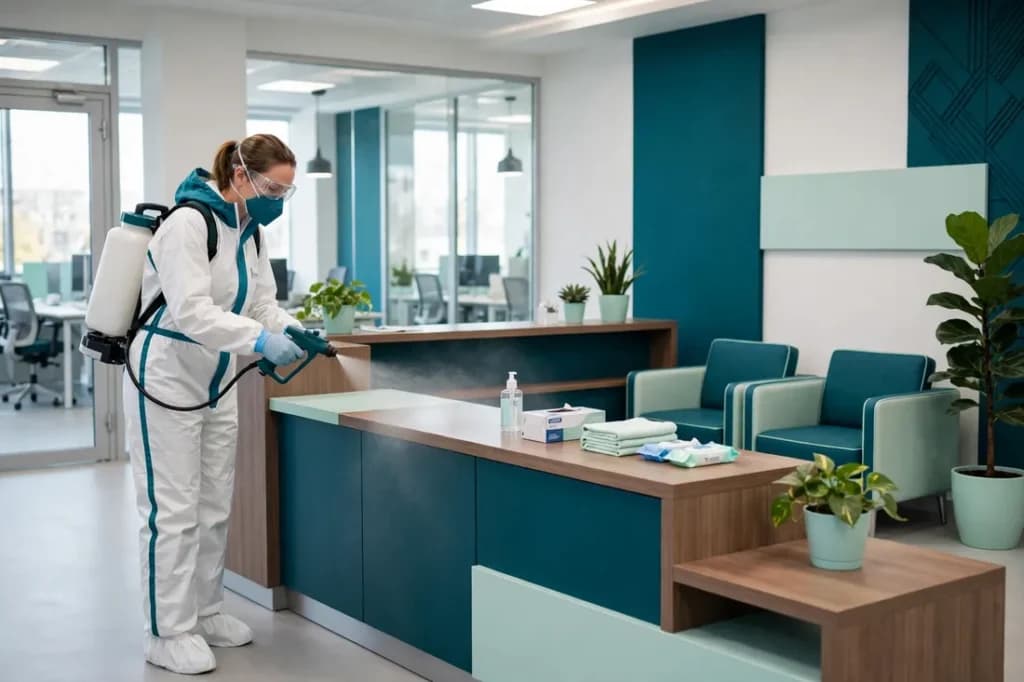
Business reopening after a biohazard incident means returning a workplace to safe use after professional remediation, verification, and documentation are complete. A business cannot reopen on a visual check alone. Blood, bodily fluids, sewage, or drug residue require trained cleanup, EPA-registered disinfection, and a written clearance before employees or customers return.
The rule that governs everything else: if contamination is still present, the doors stay closed, no matter what the schedule says.
Business Reopening Safety Requirements
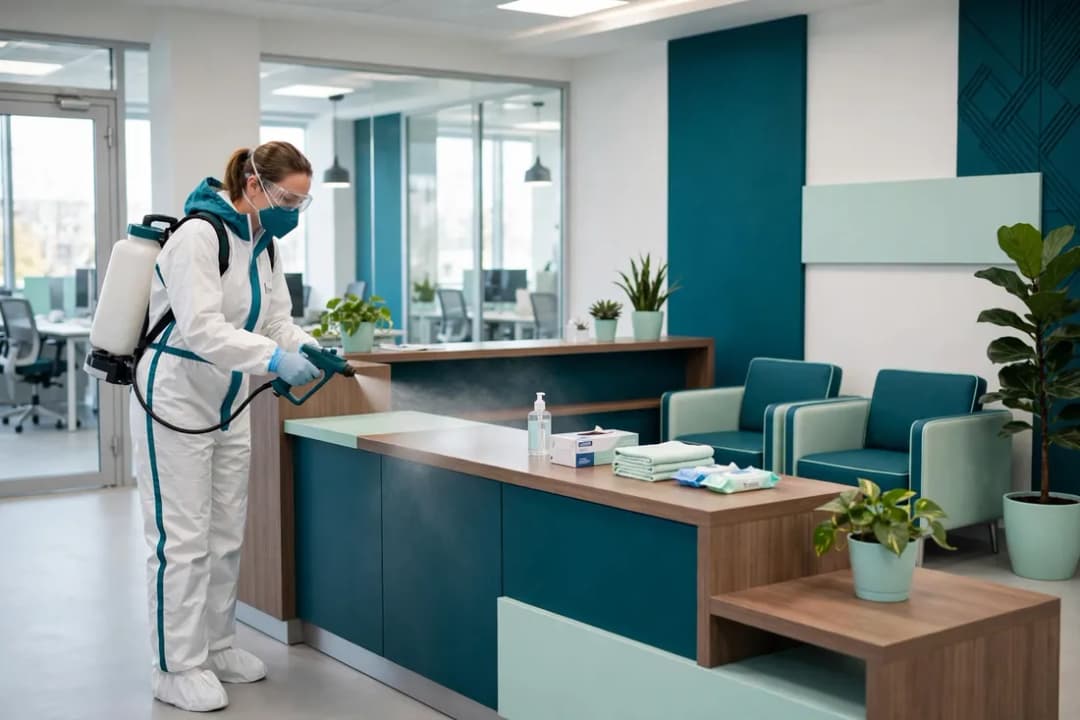
Three requirements must all be met before reopening. First, the contamination must be fully remediated by trained crews following an OSHA exposure control plan. Second, the space must be verified safe, which means clearance checks, moisture readings where water was involved, and confirmation that odor sources are gone, not masked. Third, the business must hold written documentation of the work: the scope, the products used, the waste manifest, and the clearance note.
Regulators look at documentation, not intentions. The OSHA Bloodborne Pathogens Standard (29 CFR 1910.1030) requires employers to protect workers from bloodborne pathogen exposure, and that duty extends to the cleanup itself and to the decision to reopen. A business that reopens early and exposes an employee can face citations and liability at the same time.
Restaurants carry an extra layer. Food-contact surfaces, storage areas, and dining rooms all need clearance, and local health departments can inspect before reopening. A restaurant that reopens with sewage residue in a kitchen is risking its operating permit, not just a bad review.
Reopening Steps for Offices
Office reopening starts with isolation. Close the affected area and keep employees out. Do not let office cleaning staff handle blood or bodily fluids. General janitorial crews lack the training, PPE, and disposal route that biohazard work requires.
A professional biohazard cleanup crew then assesses, contains, removes contaminated materials, disinfects, and deodorizes. For offices, HVAC deserves special attention. Contaminated air moves through ductwork fast in a sealed commercial building, so vents in the affected zone are isolated early.
Before employees return, management should communicate what happened in general terms, what was done, and that the space was verified safe. Employees who were present during the incident may need support, not just a reopening memo. That human step is often skipped, and it is often the one employees remember.
Reopening Steps for Shops and Restaurants
Shops and restaurants reopen under customer scrutiny, so the standard is higher in practice. A shop floor that looks clean but still carries odor or residue will lose customers the same day it reopens. A restaurant faces health inspectors, food safety rules, and public reviews all at once.
The sequence is the same: isolate, remediate, verify, document. The difference is scope. Restaurants must clear kitchens, storage, restrooms, and dining areas separately, because each zone has different food-contact risk. Shops must clear fitting rooms, restrooms, and stockrooms, where contamination hides out of customer sight.
One mistake I see often in retail: reopening the front of the store while the back room is still being treated. Customers wander, staff cross zones, and contamination spreads. Keep the whole affected zone closed until the crew signs off on all of it.
For the interim safety steps before professionals arrive, our guide on protecting your family from biohazards before professionals arrive covers isolation and ventilation, and the office workplace biohazards guide explains what counts as a workplace biohazard in the first place.
Employee Safety and Communication During Reopening
Employers have a duty to inform workers about hazards in their workplace. After a biohazard incident, that means telling affected employees what happened, what was remediated, and what verification was done, without sharing private medical details about any individual involved.
Training matters here too. OSHA requires bloodborne pathogens training for workers with reasonably anticipated exposure. After an incident, review whether job roles changed and whether more staff now need that training. A front-desk employee who helped during the incident may now fall into the training group.
Workers compensation is the other thread. An employee exposed during the incident or during an improper cleanup may have a claim. Proper professional remediation, done before anyone re-enters, is what keeps a difficult day from becoming a claim and a citation.
Documentation That Protects a Reopening Business
Five documents should be on file before reopening. The cleanup scope and invoice, the waste manifest showing lawful disposal, the clearance or verification note, photos before and after, and the incident report with dates and names. Keep them for years, not weeks.
Insurers ask for this file. Regulators ask for it. A future buyer or landlord asks for it. A business that can produce it in an afternoon looks responsible. A business that cannot looks careless, whatever the truth was.
The same documentation habit protects against a second incident. If a pipe fails again or a similar event recurs, the file shows what was done last time and what changed since. That history is what turns a crisis into a managed risk.
Summary
Business reopening after a biohazard incident requires professional remediation, verification that the space is safe, and written documentation before employees or customers return. Offices must watch HVAC spread, shops and restaurants must clear every zone, and employers must communicate honestly with staff while protecting privacy.
Do not trade safety for schedule. A delayed reopening costs days. An unsafe reopening costs reputation, liability, and permits. If a Miami business needs professional cleanup after an incident, contact Hazard Guard or call (888) 976-0045. Our crews respond around the clock and document every job for your insurer and regulators.