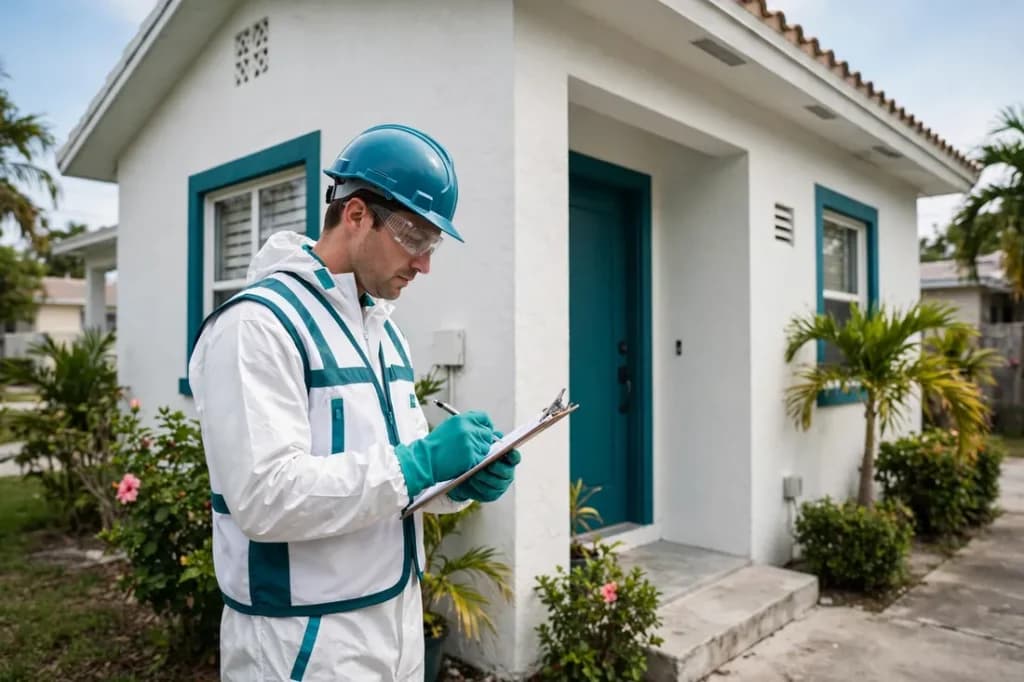
A former meth lab is a property where methamphetamine was manufactured, leaving toxic chemical residue soaked into walls, HVAC systems, fixtures, and soil. You confirm it with surface wipe testing analyzed by a certified laboratory. Before that, the warning signs are harsh chemical odors, yellow or red staining on surfaces, blacked-out windows, discarded lab equipment, and dead vegetation where waste was dumped.
Meth residue is invisible at low levels and can stay active in building materials for years. If several of these signs show up together, get the property tested before anyone moves in.
Why Meth Residue Is Dangerous Long After the Lab Is Gone
Cooking methamphetamine releases a cocktail of corrosive and toxic chemicals. Hydrochloric acid fumes, iodine, red phosphorus, solvents, and ammonia soak into drywall, wood, carpet, and ductwork. The lab equipment leaves. The contamination stays.
Researchers have found that meth lab chemicals can remain active for years, and contamination in some homes compares to what you would find in a hazardous waste dump. Exposure causes respiratory problems, skin and eye irritation, headaches, nausea, and dizziness. Long-term effects on the kidneys and central nervous system are still not fully understood.
Children are especially vulnerable. Their smaller bodies and faster breathing rates mean the same exposure hits them harder. This is why meth lab cleanup is a remediation job, not a deep clean. Our full process is covered in What Is Meth Lab Cleanup?.
7 Warning Signs a Property Was Used as a Meth Lab
No single sign proves a property was a meth lab. But three or more together should trigger professional testing. Here is what I look for on walkthroughs.
1. Harsh Chemical Odors That Do Not Clear
The classic sign. Former labs smell like ammonia or cat urine, sweet or bitter solvents, ether, acetone, or burning popcorn. Waste dumped down drains and traps can off-gas for years. If a chemical smell persists after ventilation and cleaning, something is in the building materials.
Watch for the cover-up too. Multiple air fresheners, heavy perfume, or fresh paint in odd spots can mean someone is masking an odor, not fixing it.
2. Yellow or Red Staining on Surfaces
Yellow or orange discoloration on walls, ceilings, countertops, sinks, and drains comes from the chemicals released during cooking. Red or dark red stains in sinks, toilets, and bathtubs point to red phosphorus. Iodine leaves its own telltale marks.
These stains do not match normal wear. They cluster in kitchens, bathrooms, and basements, wherever the cooking happened.
3. Discarded Lab Equipment and Chemical Containers
Look for pressure cookers, glass jugs, blenders, funnels, strainers, rubber gloves, thermometers, pH test strips, turkey basters, and duct tape. Cold medicine packaging in bulk is a red flag. So are coffee filters with red stains, lithium battery casings, and propane tanks with blue-green staining on the valves.
Check the trash areas, the garage, and outbuildings. Labs generate a lot of packaging.
4. Blacked-Out Windows and Odd Security
Covered or blacked-out windows are a hallmark. So are security cameras and baby monitors mounted outside a normal house, unusual holes drilled in walls and doors for cables, and trap doors in floors or walls.
A rental with Fort Knox security and blacked-out glass was not protecting valuables. It was hiding activity.
5. Strange Ventilation or Exhaust Modifications
Meth cooking generates fumes that need venting. Watch for exhaust fans installed in strange locations like interior walls, closets, or basements with no logical purpose. Unusual holes cut into walls or ceilings. Window AC units with heavy-duty external venting out of proportion to the space.
6. Dead Vegetation and Dumped Waste Outside
Chemicals get dumped. Look for burn pits with chemical container remains, stained soil, and patches of dead or dying vegetation in the yard. Waste products dumped down sinks and drains can also collect in septic tanks and keep giving off fumes.
I walked a property in Hialeah where the grass was dead in a perfect rectangle behind the shed. That rectangle was the dump site. The soil tested hot.
7. Corroded Fixtures and Burn Marks
Corrosive gases like hydrochloric acid rust door hinges, cabinet knobs, light fixtures, and keys far faster than normal humidity would. Scorched countertops, burn marks on floors, and chemical burns on surfaces are all consistent with lab activity.
On a walkthrough, run your eye along the metal fixtures. Uniform corrosion in a house that is not that old tells a story.
How Professional Meth Residue Testing Works
Visual signs raise suspicion. Only testing confirms it. Here is how the pros do it.
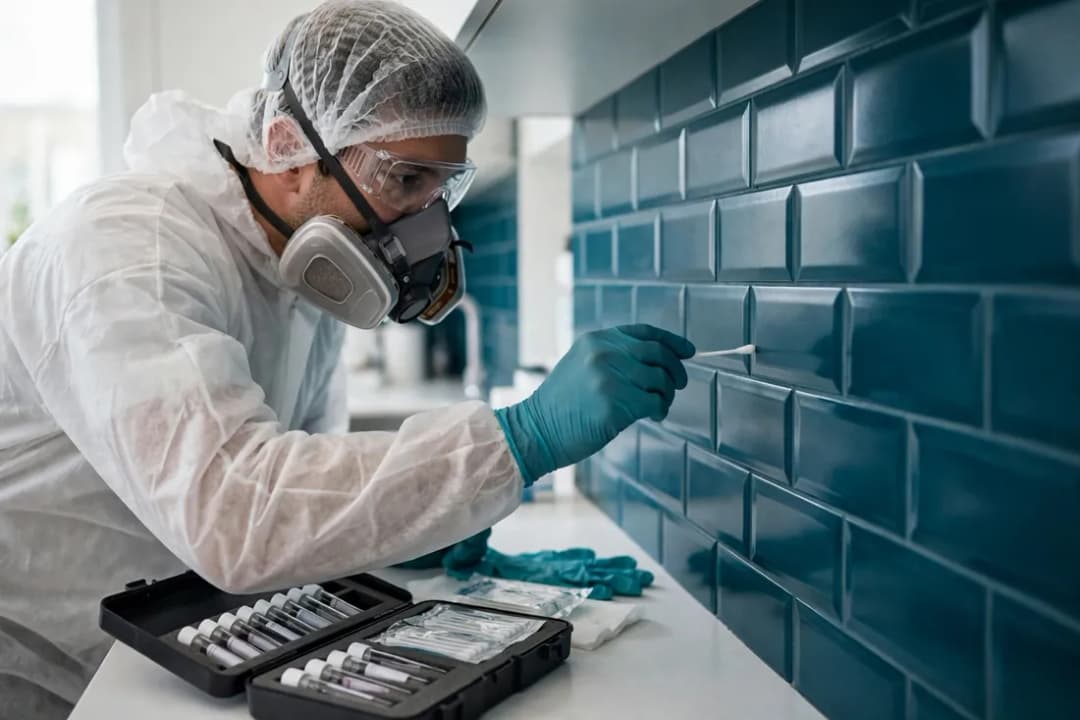
A certified technician takes surface wipe samples from walls, ceilings, floors, and HVAC components across the rooms of concern. Each wipe covers a measured area, usually 100 square centimeters. The samples go to an accredited laboratory for analysis.
The lab reports methamphetamine concentration per area. Clearance standards vary by state, so the numbers get compared against the applicable regulatory standard for the property’s jurisdiction. What counts as “clean” in one state may fail in another.
One warning from the field. Those cheap hardware-store test kits are not a substitute. A single swab in one spot can miss contamination two rooms over. And composite sampling, where wipes from several rooms get combined into one sample, can mislead in both directions. Room-by-room professional sampling is the only result I trust before a family moves in.
Contaminated waste from the job, including removed materials and PPE, goes out through the regulated chain like other hazardous waste. The disposal rules are the same ones covered in our guide to biohazardous waste types.
What to Do If You Suspect a Meth Lab Property
Do not enter the property to investigate further. Do not touch equipment or containers. If you believe a lab is currently active, leave and call law enforcement. Active labs carry explosion and chemical exposure risk.
For a suspected former lab, the next step is professional testing. Order surface wipe sampling from a certified firm before you buy, rent, or renovate. If you are buying, make a satisfactory test result a condition of your offer. A positive result means professional meth lab remediation before anyone lives there.
Disclose what you find. Sellers and landlords who know about contamination history and stay quiet are buying lawsuits. If the property tested positive, that history follows the address.
Buyers and landlords dealing with a suspicious property can contact Hazard Guard for testing referrals and remediation scoping. Early testing is always cheaper than discovering the problem after move-in.
Summary
A former meth lab reveals itself through chemical odors, yellow or red staining, discarded lab equipment, blacked-out windows, odd ventilation, dead vegetation outside, and corroded fixtures. No single sign is proof. Three or more together mean the property needs professional surface wipe testing before anyone moves in.
If you suspect meth contamination in a Miami property, do not investigate it yourself and do not trust a visual check. Contact Hazard Guard or call (888) 976-0045. Our crews respond 24/7, and the call is free.