Fentanyl contamination is the presence of synthetic opioid residue on surfaces inside a property. It clings to carpet fibers, settles into HVAC dust, and hides in soft furnishings long after any visible powder is gone.
Property owners cannot treat it like ordinary dirt. The standard playbook for a rental turnover does not apply here. You need professional residue testing and documented decontamination before anyone moves back in.
How Fentanyl Contamination Happens in Properties
A property becomes contaminated when fentanyl is used, stored, or processed inside it. Overdose events leave residue behind. So does casual use in a bedroom, car, or garage.
The tricky part is scale. A lethal dose of fentanyl is tiny. A few milligrams can kill an adult. So a property can be dangerously contaminated without looking messy at all.
Landlords discover it after tenants overdose, after evictions, or when the next tenant reports strange odors and dust. In my work across Miami, rental units and short-term rentals are the most common settings. The property owner almost never knew.
Why Fentanyl Residue Is More Dangerous Than It Looks
Fentanyl is far more potent than heroin or prescription opioids. It does not take visible piles of powder to create a real hazard.
Exposure Routes That Matter
According to CDC/NIOSH guidance for first responders, exposure can occur through inhalation, mucous membrane contact, skin contact, or needlesticks. Inhalation is the primary concern in contaminated properties.
Powder-like fentanyl becomes airborne easily. Disturbing contaminated surfaces, brushing powder off clothing, or shaking out bedding can put particles in the air. NIOSH notes there is no established occupational exposure limit for fentanyl. So there is no “safe level” benchmark to reassure anyone.
The Risk of DIY Disturbance
Regular cleaning makes it worse, not better. Vacuuming aerosolizes residue and spreads it through the room. Sweeping kicks particles into the air. Wiping with a dry cloth just relocates the problem.
CDC decontamination guidance warns responders not to use hand sanitizer or bleach on skin that may have contacted fentanyl. Alcohol-based products can increase absorption through the skin.
Signs a Property May Be Contaminated With Fentanyl
You cannot see residue, but you can see the context that signals it:
- Drug paraphernalia: foil strips, burnt spoons, small plastic baggies, pill bottles with unfamiliar contents
- An overdose event on the property, even if it happened weeks ago
- Powdery dust on surfaces that does not look like ordinary dust
- Neighbors reporting frequent short-term visitors at odd hours
- Tenants who abandoned the unit suddenly
What a professional notices that you will miss: residue collects in carpet seams, along baseboards, and inside HVAC returns. We test those spots first, not the center of the room.
I once worked a Miami apartment where the unit looked spotless. The tenant had detail-cleaned before leaving. Our swab tests still came back hot along the bedroom baseboards and the return air vent. Appearances mean nothing with fentanyl.
What Professional Fentanyl Decontamination Involves
Fentanyl cleanup is a structured remediation, not a deep clean. It borrows from our meth lab cleanup process but follows fentanyl-specific safety protocols. For broader contamination involving biological hazards, our biohazard cleanup team in Miami handles the full scope.
1. Assessment and Testing
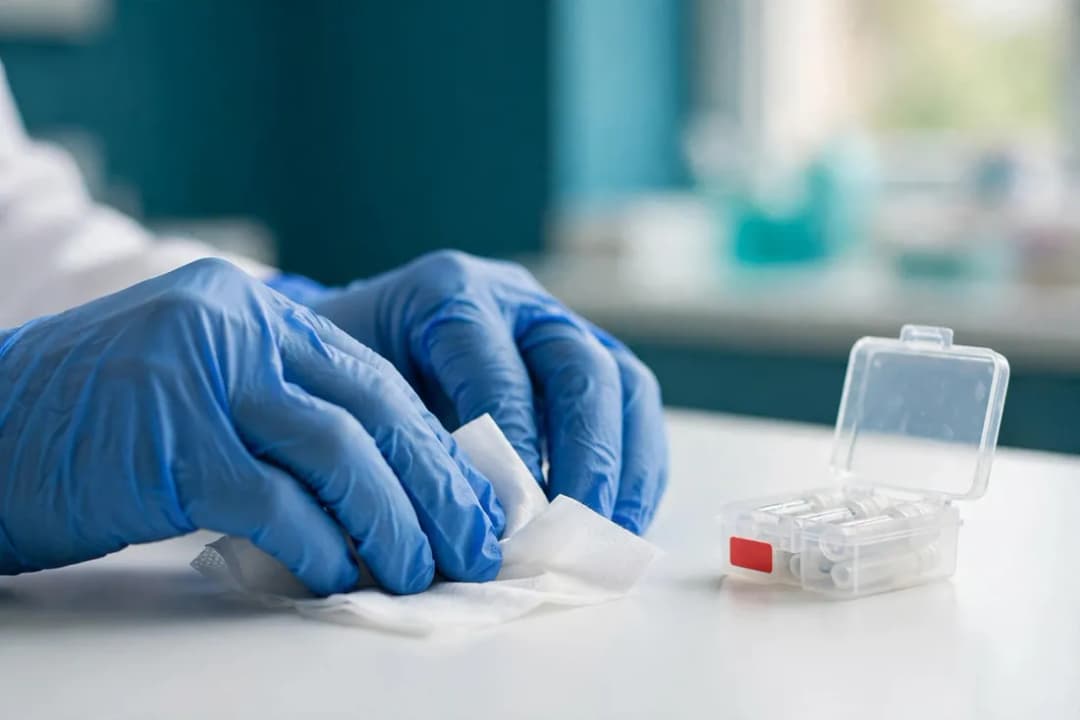
We identify where contamination is present and how far it spread. Surface wipe testing gives a picture of residue levels, using the same testing logic we describe in our guides to meth lab residue testing and meth lab remediation. This decides the scope of the job.
2. Containment
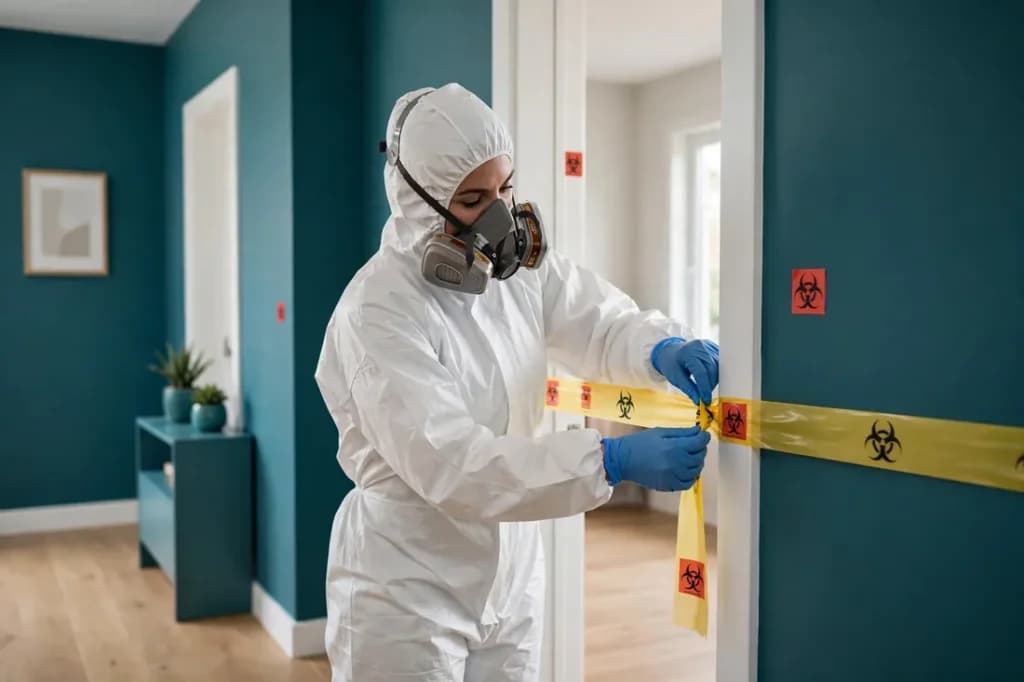
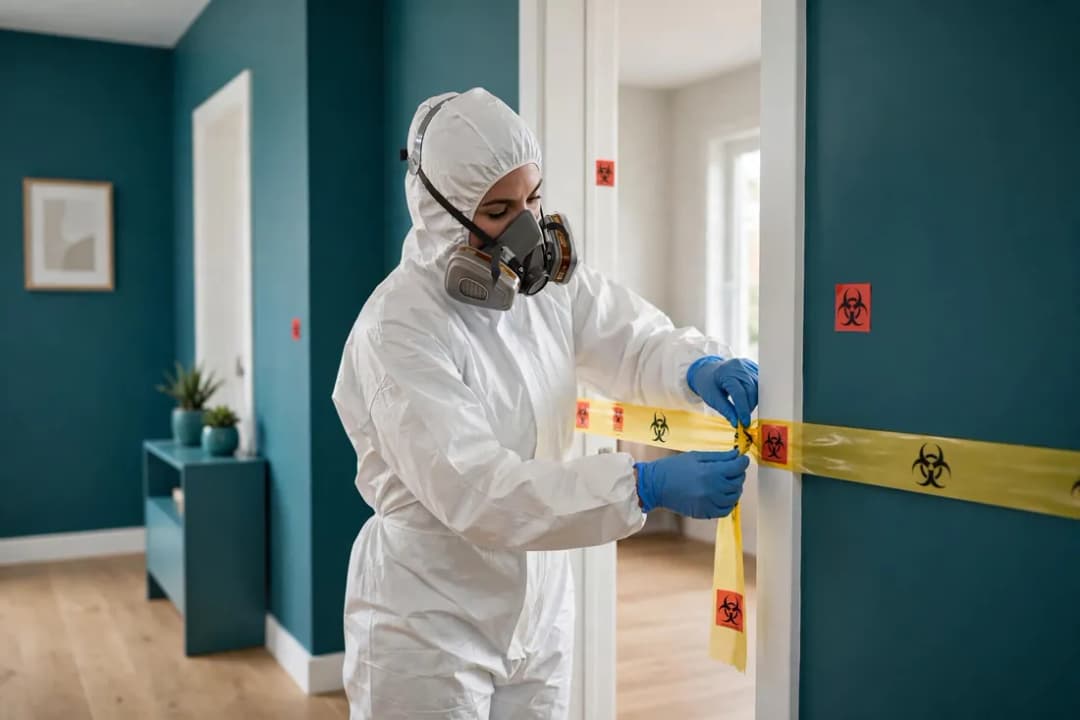
The work area is isolated. HVAC is shut down or sealed so residue does not travel through ductwork into clean areas. In Miami’s climate, AC systems run constantly, which is exactly how contamination migrates.
3. Protective Protocols
Crews work in respirators and chemical-resistant suits per NIOSH recommendations. A P-100 half-mask respirator is the minimum recommended by NIOSH, with higher protection for large contamination events.
4. Removal and Decontamination
Contaminated porous materials are removed and bagged. Non-porous surfaces are treated with decontamination agents proven effective against fentanyl residue. EPA research has identified specific chemical solutions that degrade fentanyl on surfaces and PPE.
5. Verification
After treatment, we retest. The job is done when testing shows the space is safe, not when it looks clean. You get documentation, which matters for insurance and re-occupancy.
Why Landlords and Property Managers Carry the Risk
If someone is harmed by fentanyl residue in a property you own, the liability trail leads to you. That is the reality in Florida, especially after overdose scenes involving trauma cleanup work.
The common mistake I see: landlords send in a regular cleaning crew after an eviction involving drug use. The crew cleans, the unit rents, and nobody tests. If a new tenant’s child gets into leftover powder, the question becomes why no professional assessment happened.
Written clearance documentation protects you. It proves due diligence. Keep it with your property records the same way you keep the lease. If this scenario sounds familiar, talk to our meth and chemical contamination team before you re-rent.
What You Should Never Do With Suspected Fentanyl Contamination
This list is short and non-negotiable:
- Do not vacuum, sweep, or dust the area. You will aerosolize residue.
- Do not attempt field testing. The DEA advises against field testing when fentanyl is suspected. Samples go to a lab, handled in proper PPE.
- Do not touch your eyes, mouth, or nose after touching anything in the space.
- Do not let children, pets, or pregnant women into the area, period.
- Do not try to “air it out” by running the HVAC. You will spread contamination through the ducts.
Wash hands with soap and water if you were in the space. Hand sanitizer is not the answer here.
Summary
Fentanyl contamination means invisible, potent synthetic opioid residue on property surfaces. It cannot be handled with normal cleaning. Professional assessment, containment, PPE-based decontamination, and verified clearance are the only safe path.
Property owners face real liability if residue harms someone. Documented professional remediation is both the safety answer and the legal answer.
Need help in Miami? Contact Hazard Guard or call (888) 976-0045. Our crews respond 24/7, and the call is free.