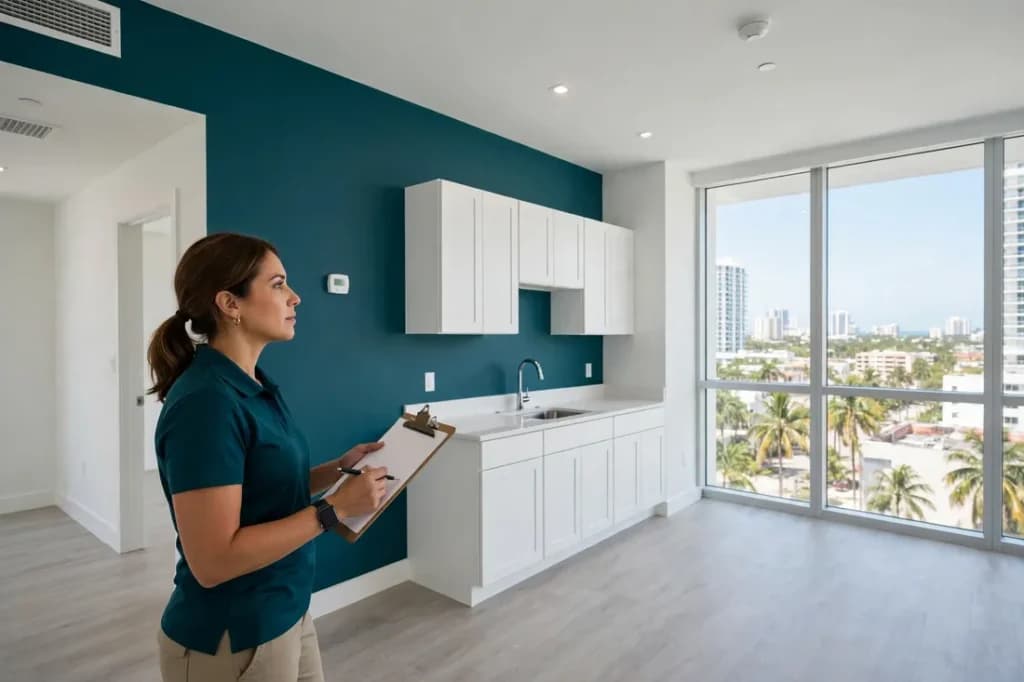
Rental turnover after biohazard cleanup is ready when a unit passes five standards: verified decontamination, odor clearance, documented repairs, a clean safety check, and a complete turnover file. A unit that looks clean but fails any one of those five is not ready to relet, no matter how good the photos look.
That rule has saved landlords I work with from repeat complaints, deposit disputes, and a second vacancy. Looks are the weakest test a unit can pass.
Verified Decontamination Comes First
Decontamination is verified, not assumed. A professional crew should confirm that affected materials were removed, surfaces were disinfected with EPA registered products at label dwell times, and regulated waste left through a licensed transporter.
Ask for that confirmation in writing. A verbal assurance that the unit is clean is not a record. A completion note naming the scope, the products used, and the disposal route is.
I have walked units in Miami where a general cleaner had bleached visible stains and called the job done. Under the carpet padding, contamination remained, and the odor returned within days of the next tenant moving in. The landlord paid twice: once for the cosmetic clean, and again for the real remediation.
A biohazard cleanup service in Miami provides the documented process that separates those two outcomes. If your crew cannot produce it, the unit is not verified.
Odor Clearance Is a Separate Test
Odor is often the last thing to clear and the first thing a new tenant notices. It deserves its own check, separate from visual inspection.
Enter the unit after it has been closed for several hours, with ventilation off. Smell each room, including closets and bathrooms, and check areas where porous materials were removed. A faint chemical smell from fresh disinfectant is normal for a day. A sweet, musty, or sour odor is not.
If odor persists, the source is usually still present: contaminated subfloor, a fixture, an HVAC component, or a wall cavity. Masking it with fragrance only delays the complaint. Find the source, treat it, and retest before listing the unit.
For units affected by a death, odor work is part of the remediation itself. Our guide on unattended death cleanup explains why odor treatment, not fragrance, is the standard.
Repairs Must Match the Remediation
Biohazard remediation often removes materials: carpet and padding, sections of drywall, a mattress, a vanity, or flooring. Turnover repairs must restore those items to a rentable standard, not just cover the gaps.
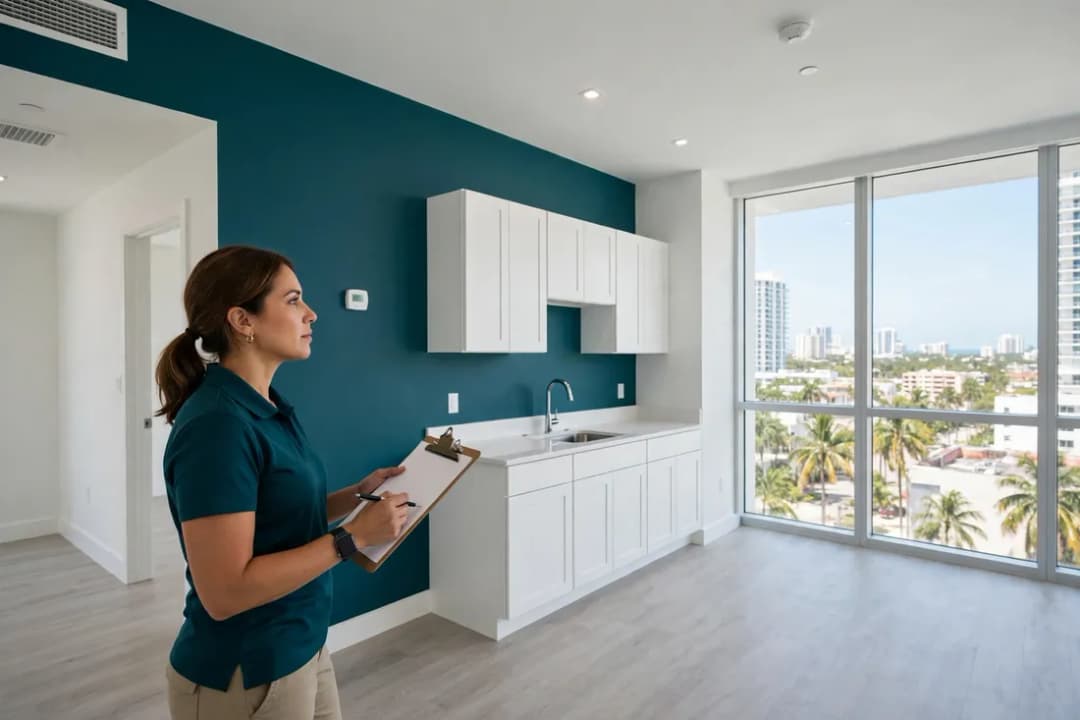
Check every repaired surface. New drywall should be sealed and painted, not patched over a stain. New flooring should sit flat, with no soft spots underneath. Fixtures should work, drain, and show no residue.
Photograph repairs before furniture or staging goes in. Those photos protect the landlord if a later tenant claims pre existing damage, and they give the next maintenance visit a clear baseline.
Do not reuse porous items from a contaminated room, even if they look fine after cleaning. Mattresses, carpet padding, and upholstered pieces that absorbed fluids should have been removed during remediation, not returned at turnover.
The Safety and Habitability Check
Before listing, run a full safety check as if you were the incoming tenant. Test every door and window lock, every smoke and carbon monoxide alarm, every light, outlet, faucet, and appliance. Confirm hot water, working plumbing, and a safe electrical panel.
Check for hazards the remediation may have exposed: loose flooring, a missing outlet cover, a damaged handrail, or a stair tread weakened by water. Turnover is the cheapest moment to fix those items. After a tenant moves in, every fix becomes a scheduled visit and a complaint.
Florida landlords must maintain habitable premises under the Florida Residential Landlord and Tenant Act, Chapter 83, Florida Statutes. A unit that passes this check is far easier to defend if habitability is ever questioned.
The Turnover File Closes the Loop
A complete turnover file is the standard most landlords skip, and the one that matters most in a dispute. Keep these items together for each unit:
- The original incident report and notification dates
- The cleanup scope, completion note, and waste disposal documentation
- Before, during, and after photos of the unit
- Repair invoices and the list of materials replaced
- The safety and habitability check, signed and dated
- Insurance correspondence and any claim outcome
That file answers the three questions a dispute always asks: what happened, what was done, and who verified it. Without it, a landlord is arguing from memory.
Our guide on documenting a unit after a tenant death sets out the documentation routine in detail, and our tenant death rental checklist covers the legal and practical steps that lead up to turnover.
Listing Timing and Honest Disclosure
Do not list a unit the day remediation ends. Give the unit a closed door odor check, a final walkthrough, and at least a day to air and settle. A rushed listing invites a viewing in a unit that still smells of disinfectant or, worse, of the original problem.
Disclosure needs care. Do not share private details about a previous tenant or the incident itself. Do state, where relevant, that the unit was professionally cleaned and verified after a prior incident, and offer the completion documentation if asked.
That line protects the incoming tenant’s right to a safe home without turning a previous tenant’s tragedy into marketing copy. When the facts are unusual, such as a crime scene, get legal advice before writing a disclosure statement. Our guide on landlord liability for a biohazard in a rental explains how that judgment usually plays out.
Common Turnover Mistakes to Avoid
The same mistakes repeat across Miami rentals I review. Avoid all five.
- Reletting on looks alone, without a written completion note
- Masking odor with fragrance instead of finding its source
- Reusing porous items removed during remediation
- Skipping the safety check because the unit was recently occupied
- Losing the turnover file, so a later dispute has no evidence
Each mistake is cheap to prevent at turnover and expensive to fix after a tenant moves in. A second vacancy costs more than a careful final walkthrough ever will.
Summary
Rental turnover after biohazard cleanup is ready when decontamination is verified in writing, odor clears a closed door test, repairs restore a rentable standard, the safety check passes, and the turnover file is complete. Looks alone are never enough.
Hold the listing until all five standards pass, disclose professionally and without private detail, and keep the file. That routine protects the next tenant and the landlord alike.
Need a verified turnover in Miami? Contact Hazard Guard or call (888) 976-0045. Our crews provide written completion notes and disposal documentation for every job.