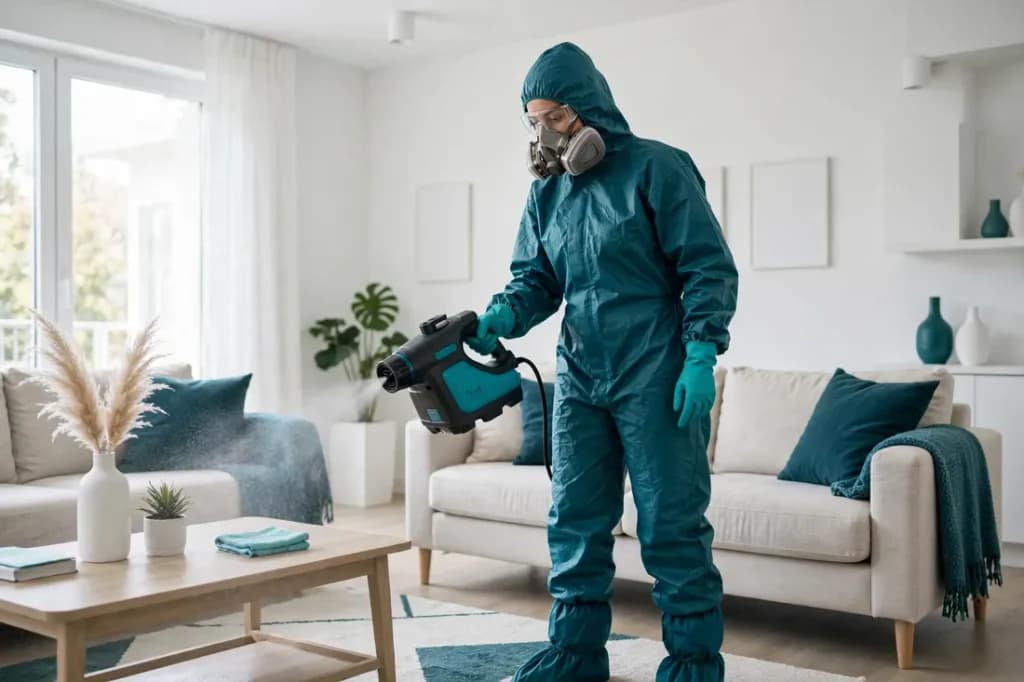
Infectious disease disinfection is the professional process of killing or inactivating disease-causing germs on surfaces and in the air of a home or business. It uses EPA-registered disinfectants, correct dwell times, and trained crews to make a contaminated space safe to re-enter.
It is not the same as cleaning. Cleaning removes visible dirt. Disinfection destroys the pathogens that cleaning leaves behind.
After an illness, a death, or a known exposure in a Miami home or workplace, disinfection is the step that protects the next person who walks in.
What Infectious Disease Disinfection Covers
Disinfection targets viruses, bacteria, and fungi on surfaces people touch and breathe near. That includes norovirus, influenza, MRSA, tuberculosis bacteria, and coronaviruses, among others.
The CDC distinguishes cleaning, disinfection, and sterilization as three different levels. Disinfection sits in the middle. It kills most germs on a surface. It does not sterilize.
For homes and businesses, disinfection is the right level. Sterilization belongs in surgical settings.
When a Home or Business Needs Professional Disinfection
You need professional disinfection when someone infectious has been in the space. That includes a confirmed flu or COVID case in a household, a norovirus outbreak in a restaurant, or a death in a home.
Small, low-risk situations can be handled with household products. A single sick family member in one bedroom is one example. The rest of the home still needs attention, but it is manageable.
Call a professional when the exposure is widespread, the pathogen is high-risk, or vulnerable people will re-enter the space. Blood or bodily fluids in the home need a blood cleanup crew, not a household mop. That means schools, daycares, clinics, hotels, and offices with shared air and surfaces.
A Miami restaurant that had a norovirus incident cannot reopen on a mop and a prayer. A death in a home needs an unattended death cleanup crew, because decomposition spreads contamination far beyond what the eye can see. Health inspectors and customers both expect documented disinfection.
The Professional Disinfection Process in 5 Steps
Every professional job follows the same sequence. Skipping a step leaves germs behind.
1. Assessment and Containment
We walk the space and map the exposure. Which rooms did the sick person use. Which surfaces did they touch. Where did air circulate.
Containment comes next. We close off affected areas so nobody tracks contamination into clean rooms on shoes or hands.
2. Cleaning Before Disinfecting
Surfaces are cleaned first. Disinfectants cannot work through organic matter, dust, or bodily fluids.
This is the step most DIY attempts skip. Spraying disinfectant onto a dirty surface is theater, not disinfection.
3. EPA-Registered Disinfectant Application
We apply EPA-registered disinfectants proven effective against the specific pathogen involved. Each product lists the germs it kills on its label.
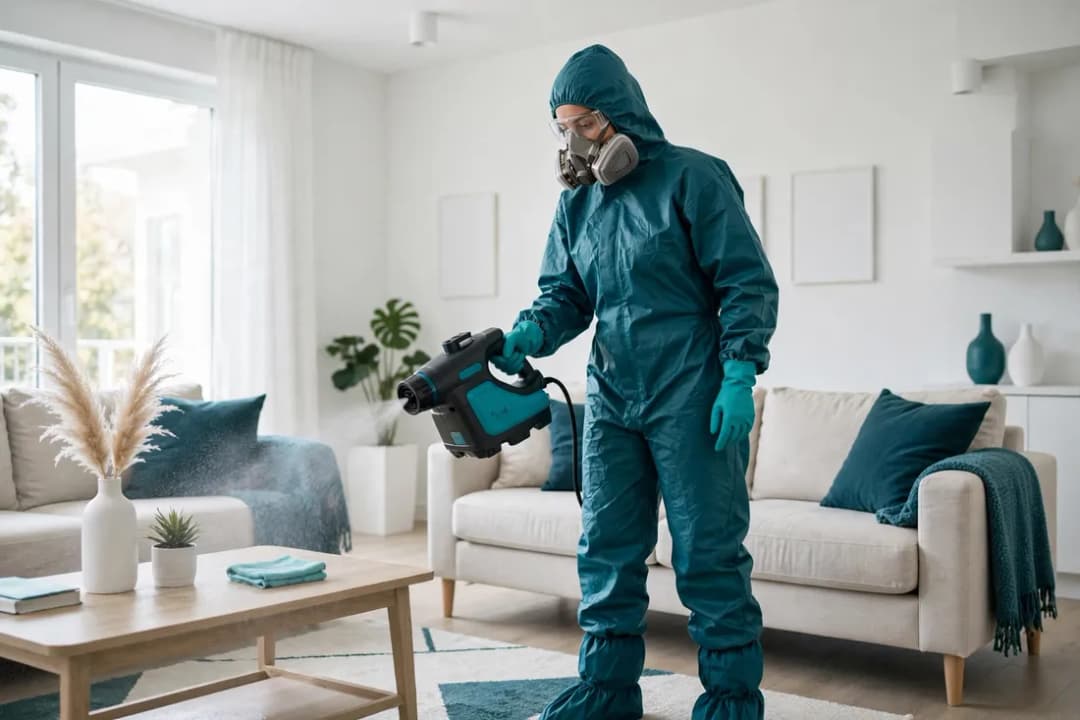
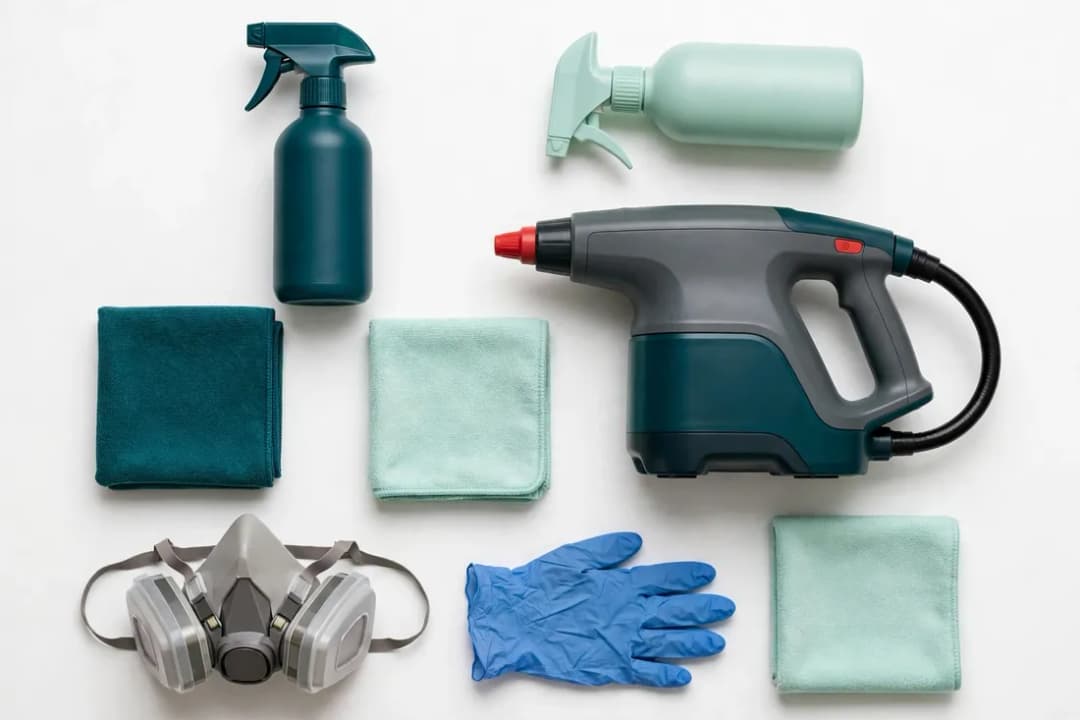
Application method matters. Electrostatic sprayers wrap disinfectant around surfaces a cloth never reaches. Foggers treat air and large areas. Hand wiping covers high-touch points.
4. Dwell Time
Dwell time is the wet contact time on the product label. The surface must stay visibly wet for that whole period, usually 3 to 10 minutes.
Wiping a surface dry after 30 seconds voids the disinfection. The germs are still there. This is the most common mistake I see in workplaces that disinfect in-house.
5. Verification and Documentation
We verify the space is safe before handover. That means visual inspection, moisture checks where fogging was used, and a written record of products, areas treated, and dwell times.
Businesses get documentation they can show an inspector, an insurer, or a franchise auditor. That paper trail is part of the service.
Disinfection for Homes: What Families Should Know
A home disinfection focuses on the rooms the sick person used, plus shared spaces. Kitchens, bathrooms, door handles, light switches, remote controls, and faucet handles are the priority.
Soft furnishings need care. Upholstery, mattresses, and carpets hold pathogens in fibers. Some can be treated. Some must be removed.
Children, elderly relatives, and immunocompromised family members raise the stakes. Their rooms get treated first and verified last.
Pets are part of the plan too. Animals leave the space during treatment. Food bowls, bedding, and litter areas are cleaned and disinfected separately.
Disinfection for Businesses: Offices, Shops, and Restaurants
Business disinfection is a different job from home disinfection. The scale is bigger, and the liability is higher.
Offices need shared desks, keyboards, break rooms, restrooms, and HVAC touchpoints treated. A single infected employee can seed a whole floor through shared surfaces.
Restaurants face the strictest expectations. A norovirus outbreak can close a kitchen. After disinfection, the health department may want to see the documentation before reopening is allowed.
Retail and gyms have high-touch traffic all day. Door handles, counters, equipment, and locker rooms are treated on a schedule, not once.
I have walked into Miami offices where the night crew sprayed and wiped in the same motion. The label dwell time was never met. The whole job had to be redone.
Common Disinfection Mistakes That Leave Germs Behind
Five mistakes show up again and again on jobs I review.
- Using a household cleaner and calling it disinfection. Cleaners remove dirt. They do not kill pathogens.
- Skipping the pre-clean. Disinfectant on a dirty surface does not work.
- Ignoring dwell time. A surface wiped dry in under a minute was never disinfected.
- Treating only visible surfaces. Undersides of handles, light switches, and remote controls are missed constantly.
- No documentation. Without a record, a business cannot prove the space was treated.
Each of these is fixable. All five together are why professional crews exist.
Disinfection vs Regular Cleaning: The Key Difference
Regular cleaning removes soil and makes a space look clean. Disinfection kills the germs that cause disease.
A biohazard cleanup crew does both, in order. Clean first, then disinfect. The order is not optional.
For a deeper comparison of the two approaches, see our guide on biohazard cleaning vs regular cleaning. The same principles apply to infectious disease work.
Workplaces with shared spaces should also read our guide on office and workplace biohazards. It covers what counts as a workplace biohazard and what employers owe their staff.
Health and Safety Rules That Govern Disinfection
Disinfection work falls under several safety frameworks. The OSHA Bloodborne Pathogens Standard (29 CFR 1910.1030) governs work where blood or bodily fluids may be present. It requires exposure control plans, PPE, and worker training.
The EPA governs which disinfectant products may legally claim to kill specific pathogens. A product that is not EPA-registered for a given germ cannot claim to kill it.
In Florida, biomedical waste generated during disinfection follows state segregation and storage rules. Contaminated materials go into labeled bags and leave through a licensed transporter.
Our crews work under an OSHA exposure control plan on every job. That is the baseline, not the exception.
How Long Disinfection Takes
A single room in a home takes 1 to 3 hours, depending on size and contamination level. A full home takes half a day to a full day.
A small office runs 3 to 6 hours. A restaurant or large workplace takes a full day or more, especially when HVAC treatment is included.
Dwell time sets the floor. You cannot rush a 10-minute contact time. Any company that promises a whole office disinfected in an hour is cutting corners.
What Disinfection Costs in Miami
Cost depends on square footage, contamination level, and the pathogen involved. A single-room home disinfection is the low end. A full commercial space with HVAC treatment is the high end.
Reputable companies give a written scope and price before work begins. They document the products used and the areas treated. That documentation is part of what you pay for.
If a quote arrives without a site visit or a written scope, keep calling around. The cheapest price usually means skipped steps.
For honest price ranges by service, see our guide on biohazard cleanup cost in Miami.
What to Do Before the Crew Arrives
You can make the job faster and safer with four steps.
- Keep people and pets out of the affected areas.
- Do not run the HVAC if contamination may be in the ducts.
- Note which rooms and surfaces the sick person used, and when.
- Gather any test results or health department notices for the crew.
Do not try to pre-clean with bleach before we arrive. It can react with professional products and it hides the true extent of the contamination. Leave it to the crew.
If you find the situation suddenly, our guide on first steps after discovering a biohazard covers the immediate safety moves.
Summary
Infectious disease disinfection is the professional process of killing disease-causing germs in a home or business using EPA-registered products, correct dwell times, and trained crews. Cleaning removes dirt. Disinfection destroys the pathogens cleaning leaves behind.
It follows five steps: assessment and containment, cleaning before disinfecting, EPA-registered application, dwell time, and verification with documentation. The most common mistakes are skipping the pre-clean, ignoring dwell time, and treating only visible surfaces.
If an illness, an outbreak, or a death has left your Miami home or business contaminated, do not guess. Contact Hazard Guard or call (888) 976-0045. Our crews respond 24/7, and the call is free.