Loading…
Blog
Safety education, biohazard cleanup insights, and practical guides for homeowners, property managers, and first responders.
Showing 8 of 8 posts

Regulations & ComplianceElena Vasquez
Florida Property Disclosure Rules After Biohazard Events
Florida disclosure after a biohazard event turns on known material facts, not a fixed checklist. Learn what sellers must share, what stays private, and how cleanup records protect a sale.
Read more →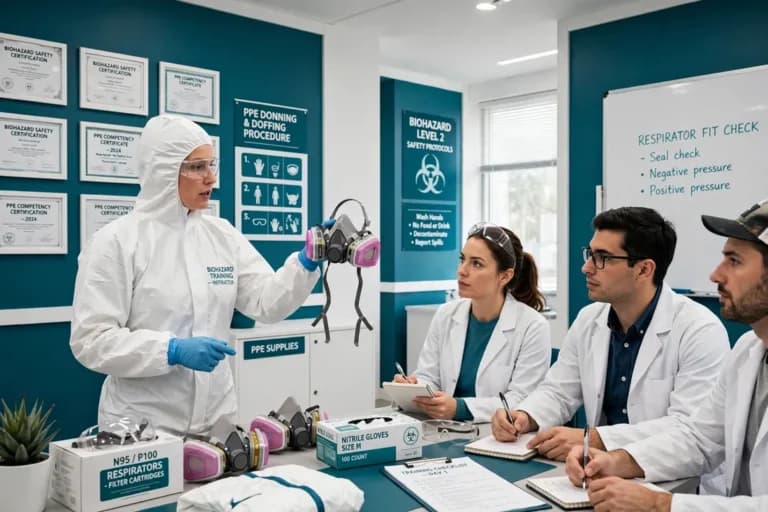
Regulations & ComplianceElena Vasquez
Biohazard Cleanup Certifications: IICRC and OSHA Training
Florida has no single biohazard cleanup license, so training records carry the weight. Learn the OSHA and IICRC credentials to check, plus five vetting checks before you hire.
Read more →
Regulations & ComplianceElena Vasquez
Biohazard Cleanup Paperwork: Documents You Must Receive
A biohazard cleanup company should give you a scope of work, a priced estimate, a waste manifest, a clearance letter, and an itemized invoice. Learn what each document must contain.
Read more →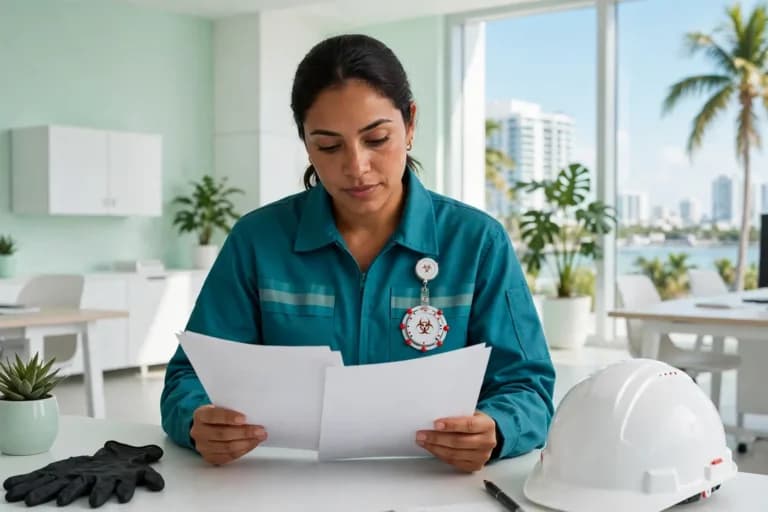
Regulations & ComplianceElena Vasquez
Florida Biohazard Cleanup Licensing: What Companies Need
Florida has no single biohazard cleanup license. Learn the certifications, training records, and insurance a legitimate Miami cleanup company must show before you hire them.
Read more →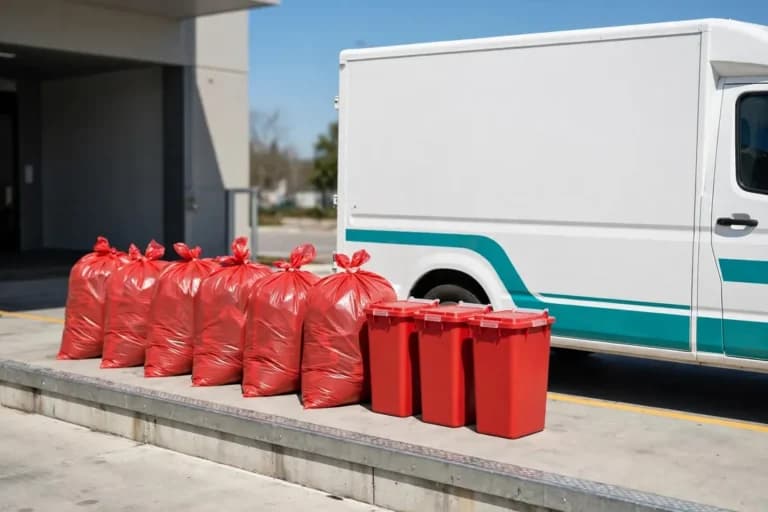
Regulations & ComplianceElena Vasquez
Florida Biomedical Waste Rules: What Miami Property Owners Must Know
Florida's Chapter 64E-16 caps biomedical waste storage at 30 days and requires red-bag packaging, permitted transporters, and manifests. Here is what Miami property owners must know after a cleanup job.
Read more →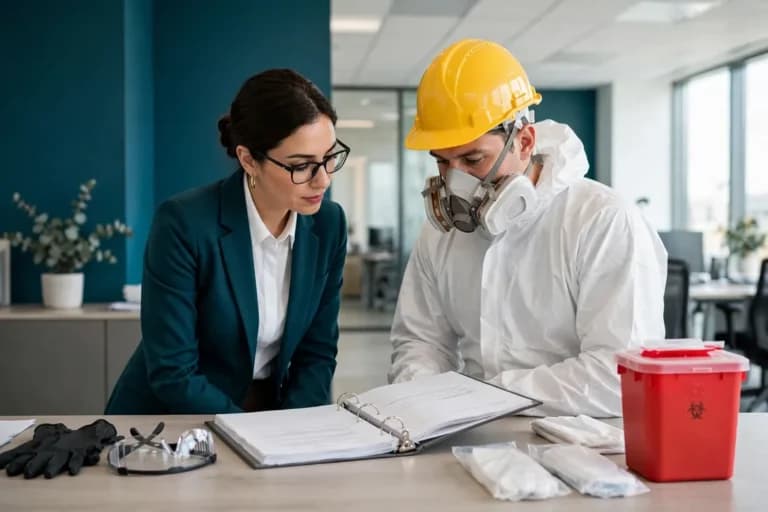
Regulations & ComplianceElena Vasquez
OSHA Bloodborne Pathogens Standard (29 CFR 1910.1030): What It Requires
OSHA's Bloodborne Pathogens Standard (29 CFR 1910.1030) sets five core requirements for any company whose workers contact blood or infectious materials. Learn what they are and how to use them to vet a cleanup company.
Read more →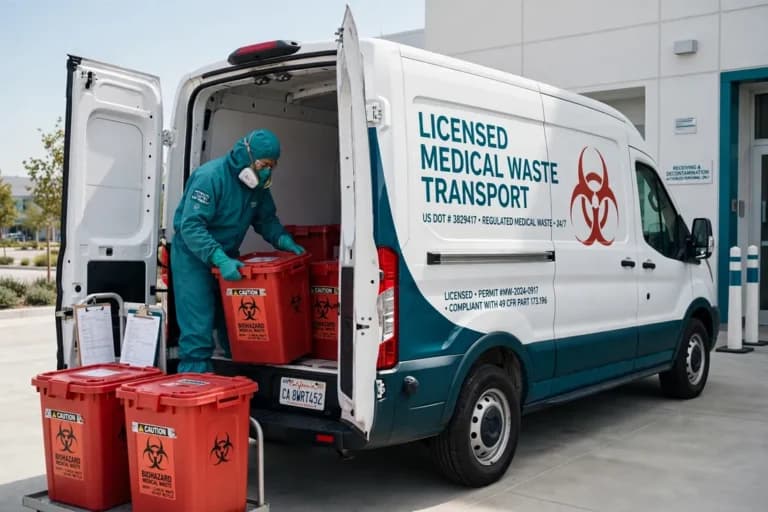
Regulations & ComplianceElena Vasquez
Biohazardous Waste Disposal: The Complete Legal Chain
Legal biohazard disposal follows a six-link chain from red bag to treatment facility, with a paper trail at every handoff. Here is how the chain works under Florida rules, and the pattern behind most violations.
Read more →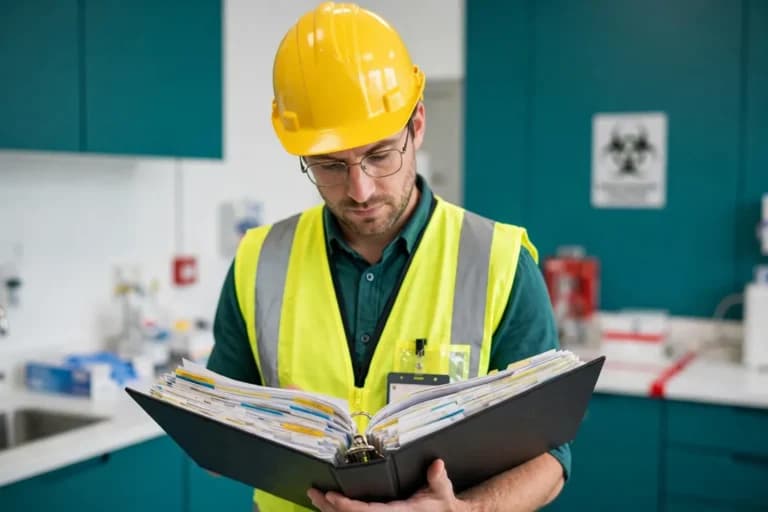
Regulations & ComplianceElena Vasquez
Biohazard Cleanup Regulation: OSHA, EPA, and Florida Rules
Biohazard cleanup in Florida is regulated by OSHA, the EPA, and the Florida Department of Health, each covering a different layer of the job. Here is how the three layers work and what they mean when you hire a cleanup…
Read more →