Loading…
Blog
Safety education, biohazard cleanup insights, and practical guides for homeowners, property managers, and first responders.
Showing 9 of 10 posts · Page 1 of 2
Trauma & Crime SceneMarcus Reed
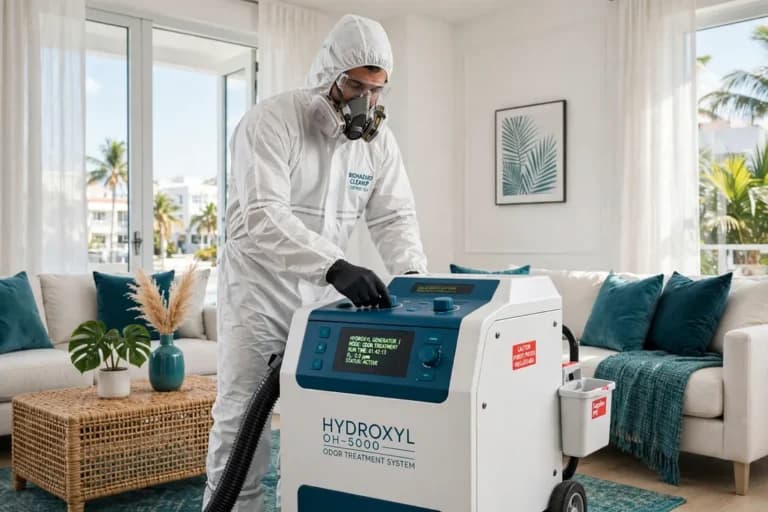
Unattended Death Cleanup: Odor, Damage, and Restoration
Unattended death cleanup tackles deep contamination and severe odor. Learn the restoration process, the costs, and what can be saved.
Read more →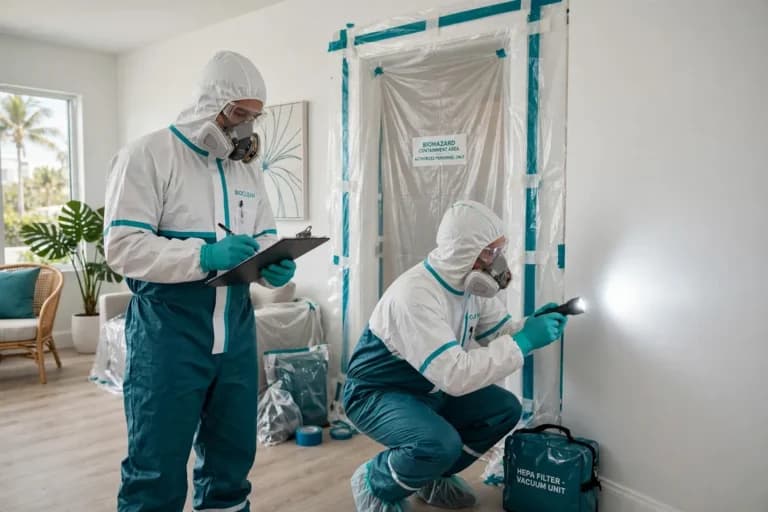
Trauma & Crime SceneMarcus Reed
Homicide Cleanup After Police Release: The Full Process
Homicide cleanup begins only after police release the scene. Learn the full process, the costs, and who pays in Miami.
Read more →
Trauma & Crime SceneMarcus Reed
Suicide Cleanup: A Compassionate and Discreet Process
Suicide cleanup in Miami is handled discreetly and compassionately by trained crews. Learn the process, the safety rules, and what families should expect.
Read more →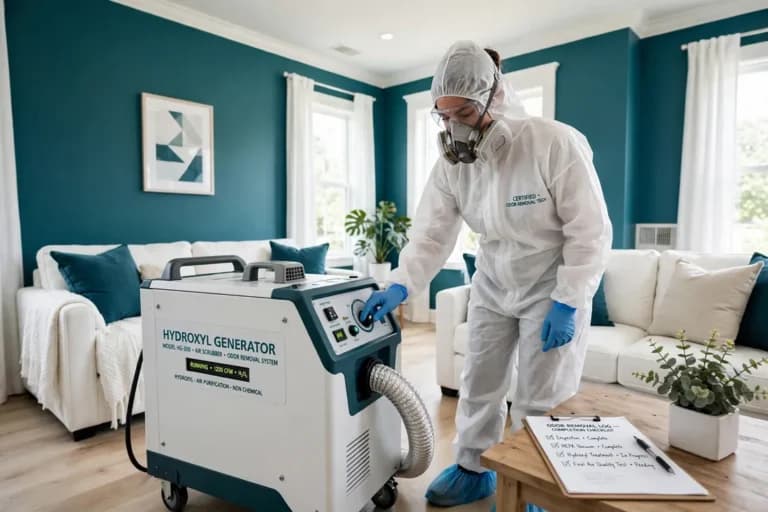
Trauma & Crime SceneMarcus Reed
Death Odor Removal: How Cleanup Crews Clear a Home
Crews remove the smell of death by removing its source, then cleaning, enzyme treatment, and hydroxyl or ozone technology. Learn why air fresheners fail and what the real process takes in a Miami home.
Read more →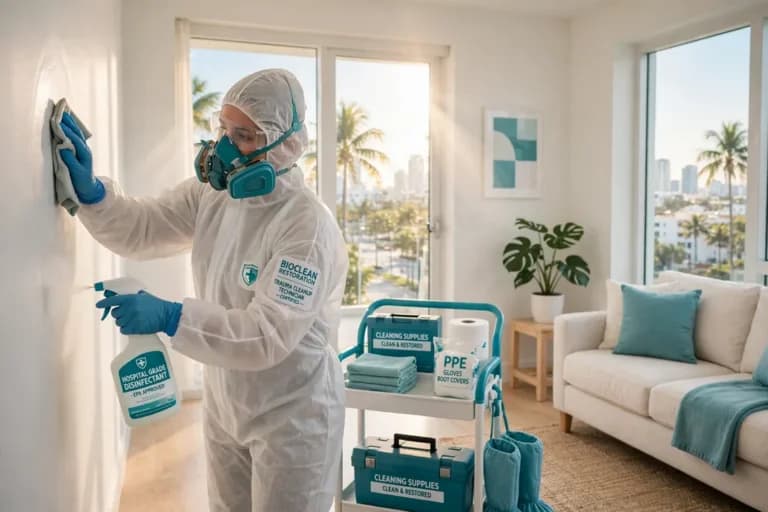
Trauma & Crime SceneMarcus Reed
Trauma vs Crime Scene Cleanup: Key Differences Explained
Trauma cleanup and crime scene cleanup share the same decontamination craft but differ in legal status, timing, and handling. Here are the seven practical differences and what stays identical.
Read more →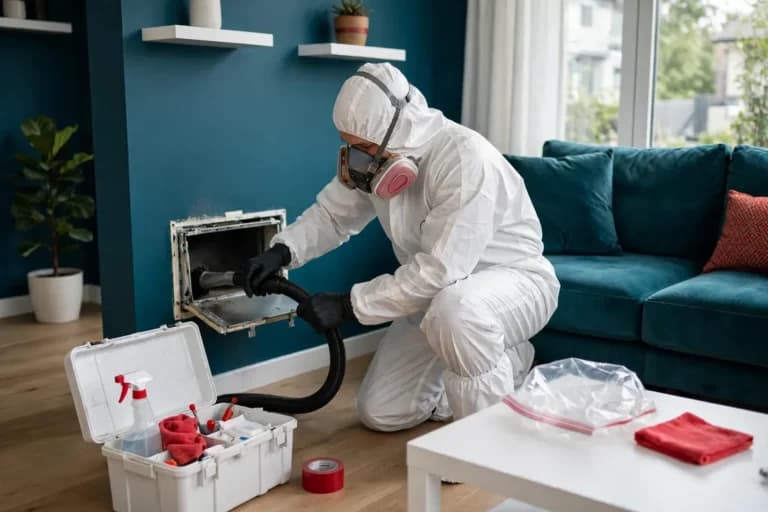
Trauma & Crime SceneMarcus Reed
Tear Gas (CS/OC) Cleanup: Residue Removal From Homes
Tear gas residue hides in walls, HVAC ducts, and fabrics long after a police deployment. This guide walks through the 7-step professional cleanup process, from assessment and chemical neutralization to verification…
Read more →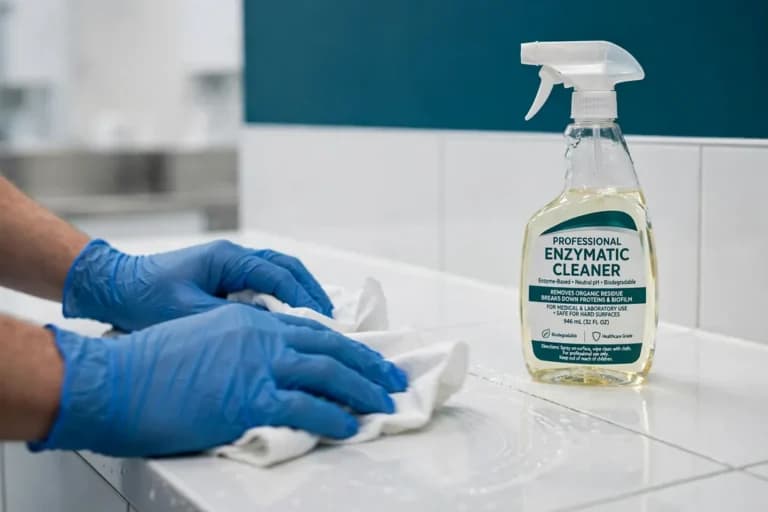
Trauma & Crime SceneMarcus Reed
Professional Blood Removal From Different Surfaces
Professionals cut out porous materials that absorbed blood and disinfect hard surfaces with enzymatic cleaners and EPA-registered products. Here is the exact method for each surface type and why bleach alone fails.
Read more →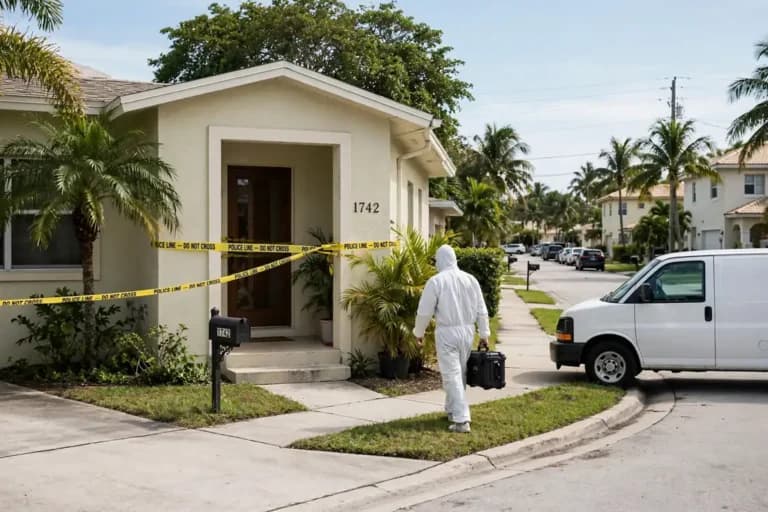
Trauma & Crime SceneMarcus Reed
Crime Scene Cleanup After Police Release: When It Begins
Cleanup can begin the moment police release a scene, with no mandatory waiting period after release. Here is what release involves, what delays it in Miami-Dade, and what to do while you wait.
Read more →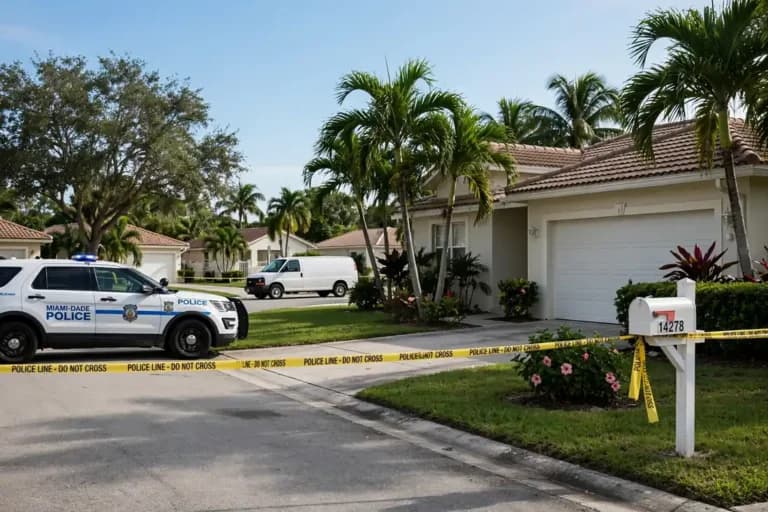
Trauma & Crime SceneMarcus Reed
Crime Scene Cleanup Responsibility: Owners and Landlords
Law enforcement investigates a crime scene but never cleans it. The property owner is responsible for hiring cleanup and usually recovers costs through insurance or victim assistance.
Read more →