Loading…
Blog
Safety education, biohazard cleanup insights, and practical guides for homeowners, property managers, and first responders.
Showing 9 of 9 posts
Biohazard BasicsMarcus Reed
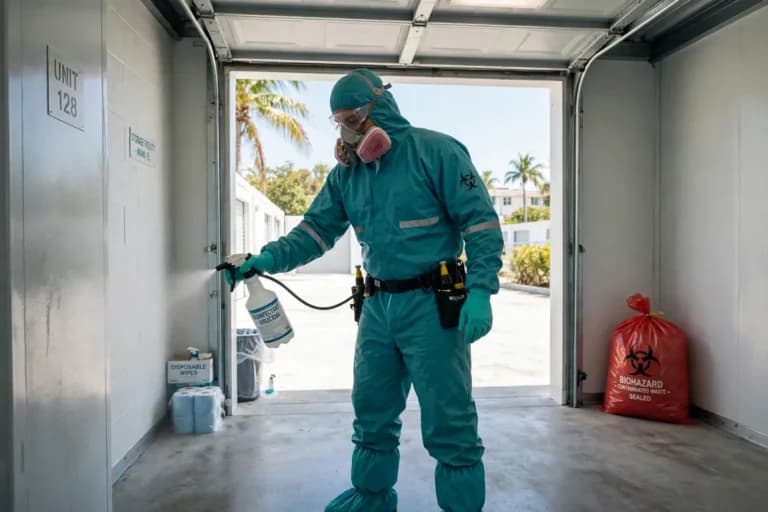
Storage Unit and Garage Biohazard Cleanup
Storage unit and garage biohazard cleanup covers animal waste, decomposition, drug residue, and mold in spaces that sit closed and hot. Here is the process, who pays, and what to do first.
Read more →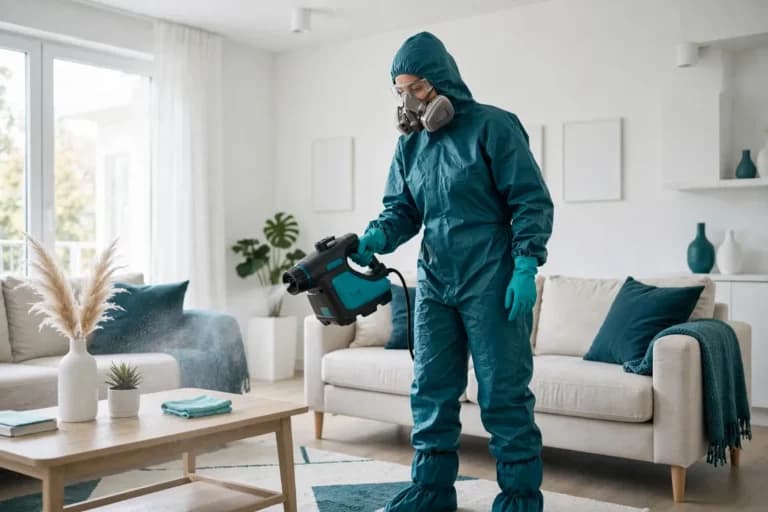
Biohazard BasicsElena Vasquez
Infectious Disease Disinfection for Homes and Businesses
Infectious disease disinfection is the professional process of killing disease-causing germs in a home or business using EPA-registered products, correct dwell times, and trained crews. Here is the full 5-step process…
Read more →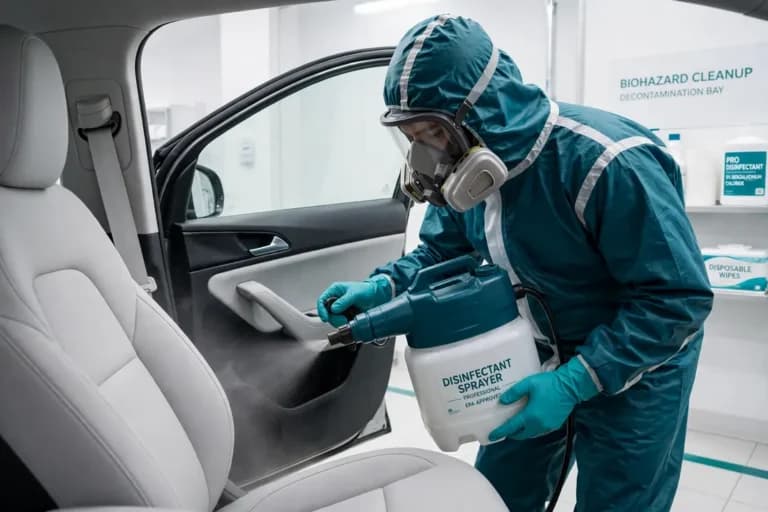
Biohazard BasicsMarcus Reed
Vehicle Biohazard Cleanup: Cars and Fleet Decontamination
Vehicle biohazard cleanup decontaminates cars and fleet vehicles after blood, trauma, or drug exposure. Learn the process, the HVAC and odor steps, and what to document before handover.
Read more →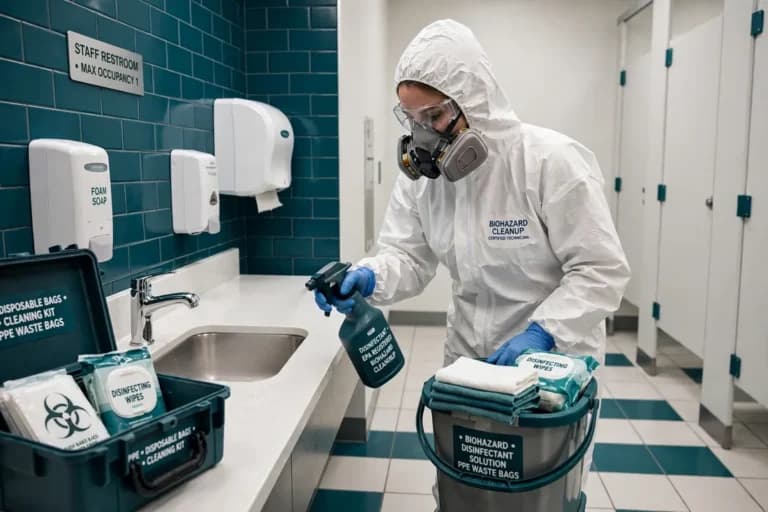
Biohazard BasicsMarcus Reed
Office and Workplace Biohazards: What Counts as One
A workplace biohazard is any biological material that can carry disease, from blood and sharps to sewage and mold. Learn what counts, what OSHA requires of employers, and when to call Miami professionals.
Read more →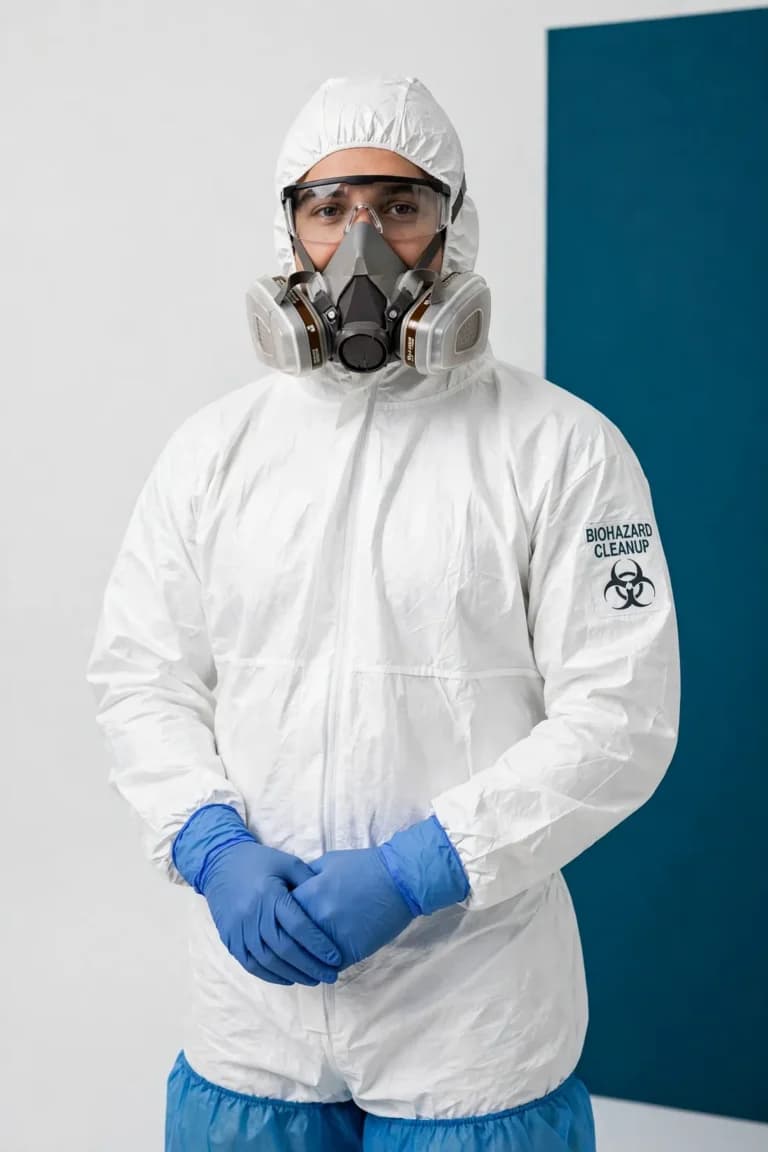
Biohazard BasicsMarcus Reed
PPE Biohazard Crews Wear: Full Safety Gear Breakdown
Professional biohazard crews wear six PPE layers: a respirator, fluid-resistant suit, double gloves, eye protection, boot covers, and sealed joints. Here is what each layer does and why it matters.
Read more →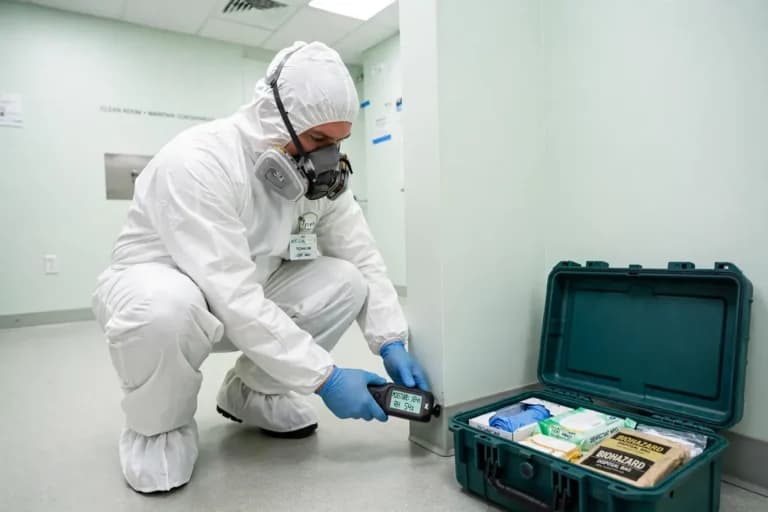
Biohazard BasicsMarcus Reed
Biohazard Cleanup Timelines: Realistic Times by Situation
Most biohazard cleanup jobs take 1 to 2 days, while small contained cleanups finish in hours. Here are realistic timelines by situation, the five factors that stretch or shorten a job, and what Miami's climate adds.
Read more →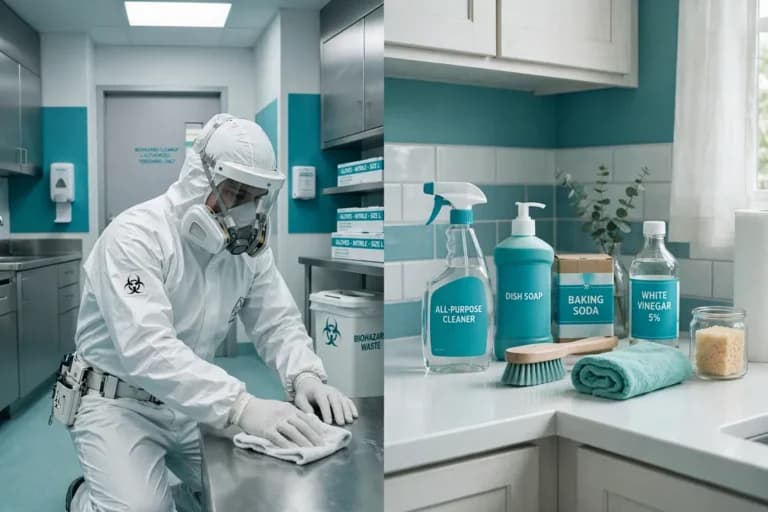
Biohazard BasicsMarcus Reed
Biohazard Cleaning vs Regular Cleaning: Key Differences
Biohazard cleaning and regular cleaning differ in six ways: products, protection, disposal, verification, training, and goal. Here is why the two jobs are not interchangeable.
Read more →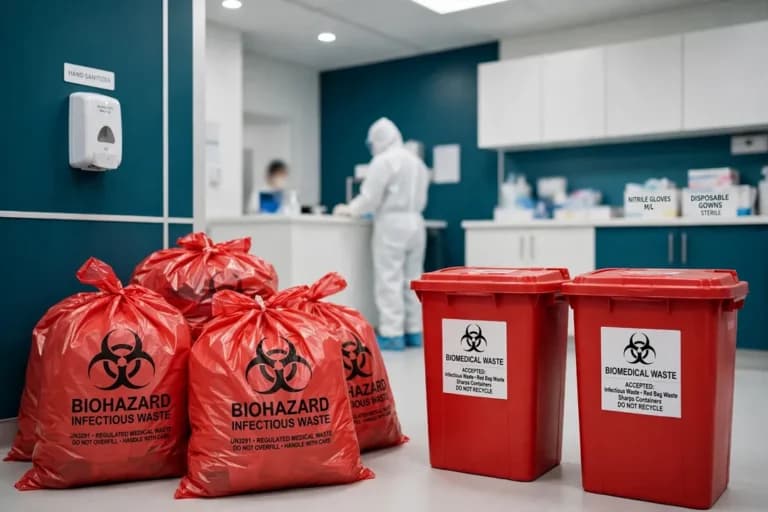
Biohazard BasicsMarcus Reed
The 4 Types of Biohazard Waste: Categories Explained
Biohazard waste falls into four regulated categories: infectious, sharps, pathological, and microbiological waste. Here is how each is handled, and what Miami property owners must know.
Read more →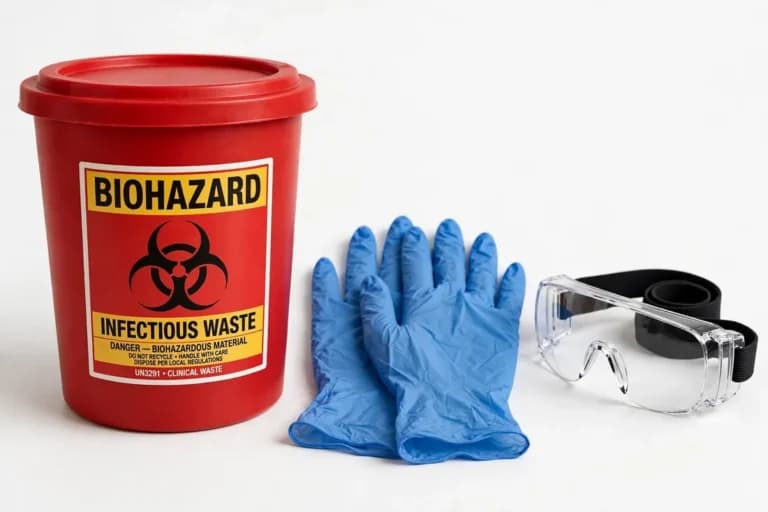
Biohazard BasicsMarcus Reed
Bloodborne Pathogens Explained: What OSHA Says About Blood Exposure
Bloodborne pathogens like hepatitis B, hepatitis C, and HIV are why blood cleanup is regulated work. Learn what OSHA requires, exposure risks at home, and when to call a Miami professional.
Read more →